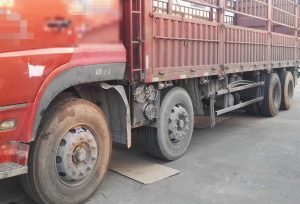
Euro 7 will apply to new types of light commercial vehicles from 29 November 2026 and to all new vehicle registrations from 29 November 2027. Beyond tighter exhaust limits, the regulation extends scope to non-exhaust particles and lifetime compliance.
Three structural changes
- Non-exhaust particles: brake and tyre wear particles are regulated for the first time, so braking systems and tyre compounds now affect type approval.
- Double the durability period: vehicles must remain compliant for 10 years or 200,000 km, twice the current requirement — a direct challenge for aftertreatment durability.
- On-board monitoring: new vehicles must track emissions in real time and alert drivers and fleet managers when emissions-control repairs are needed.
What it means for diesel aftertreatment
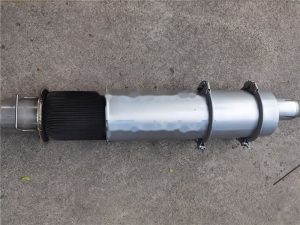
Compliance shifts from a one-off approval to in-service performance. Metal DPF elements must hold capture efficiency and controlled backpressure over long mileage, while water-washable regeneration keeps lifetime maintenance costs down. For fleets, OBM alerts make backpressure, filter loading and regeneration status measurable and serviceable.
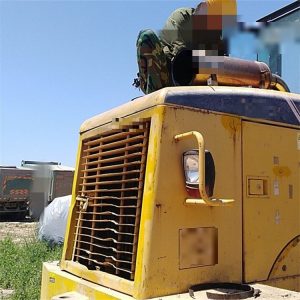
Related products: excavator exhaust gas purifiers, excavator black smoke purifiers, and metal black smoke purifiers.
Summary for information only; the official EU text governs application dates and technical requirements.