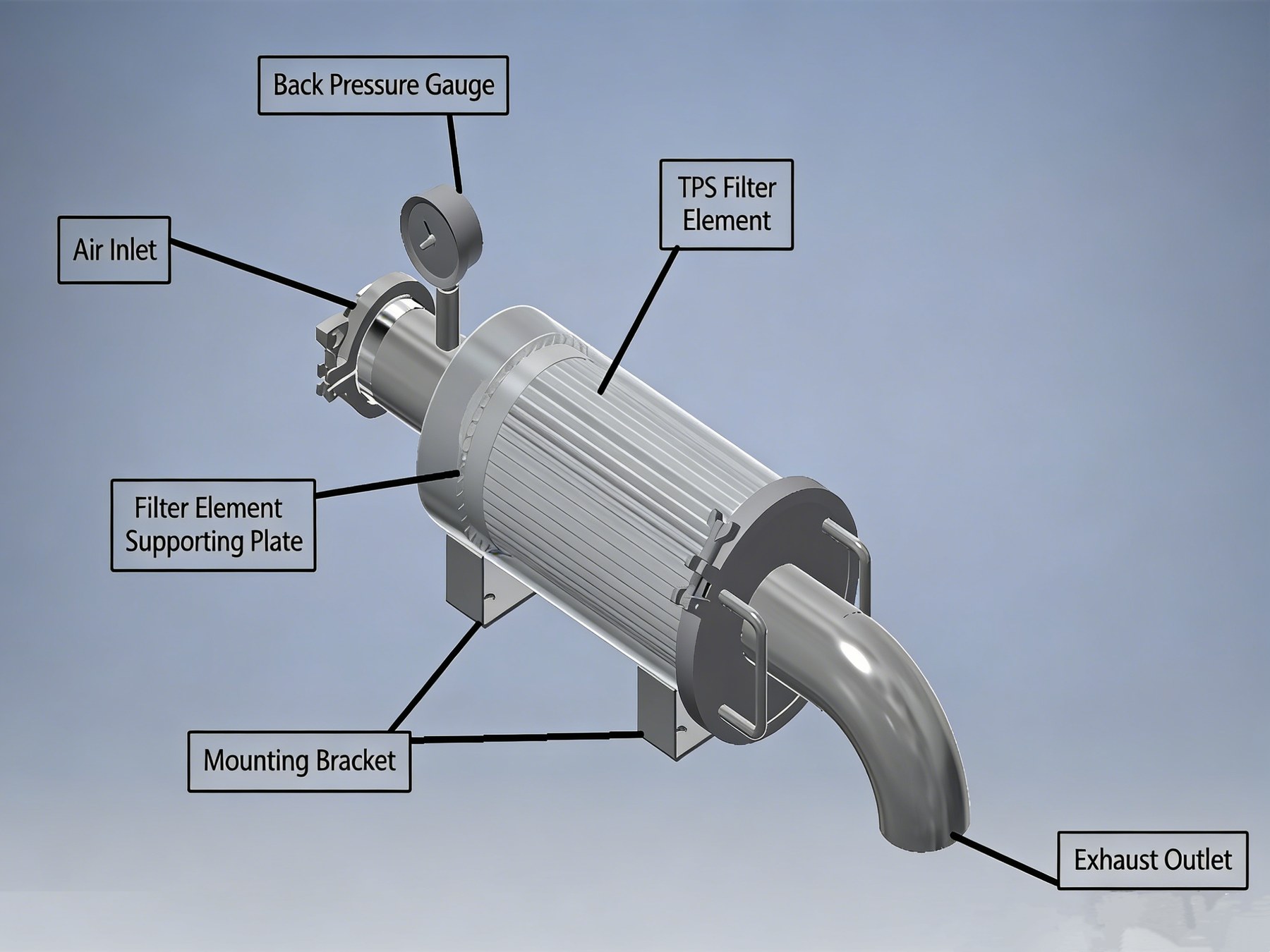
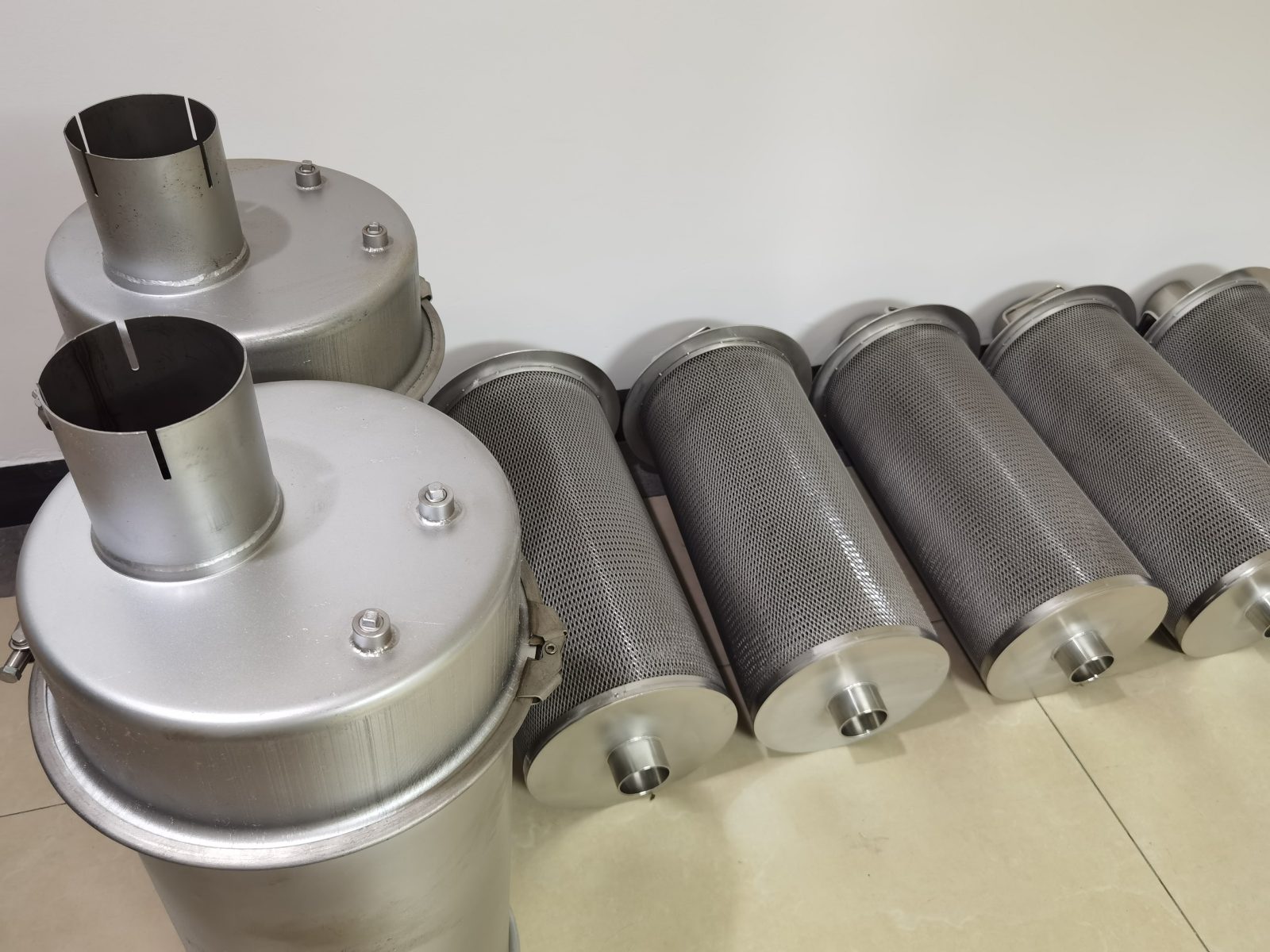
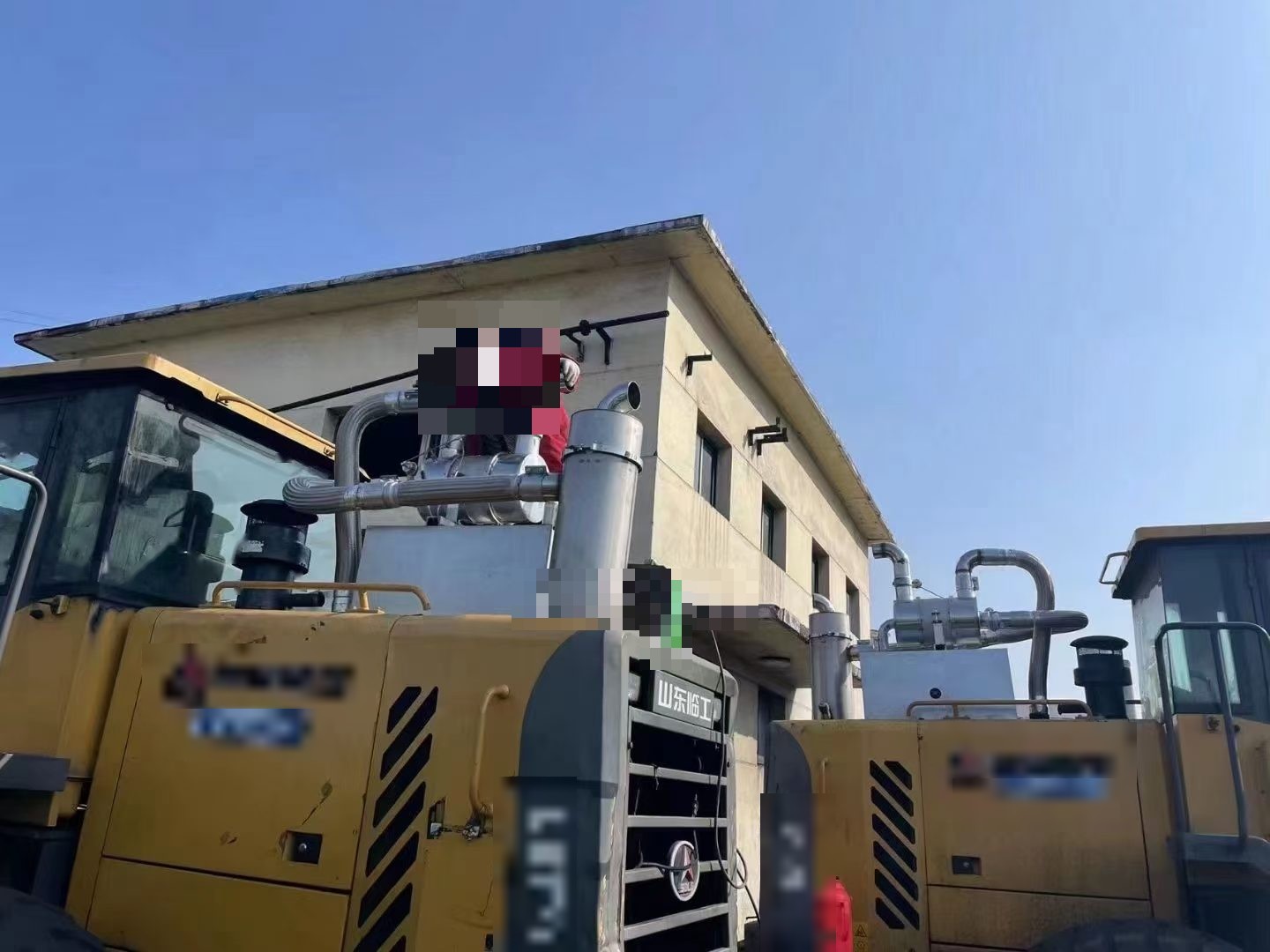
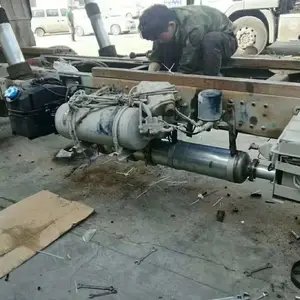
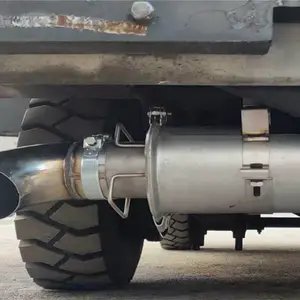
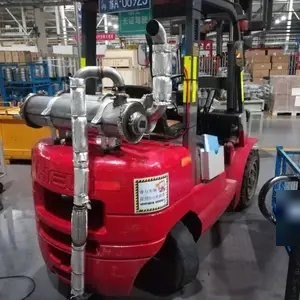
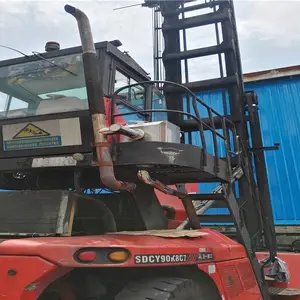
Exhaust gas emitted by diesel engines enters the air inlet of the AIFILTECH exhaust filtration system. The gas, laden with carbon particles, passes from the outside to the inside through the TPS filter element, where the particles are captured by the element wall and the clean gas is discharged into the atmosphere from the air outlet.
Hot exhaust enters the housing and passes through the outer surface of the core into the element body; black smoke and carbon particles are blocked on the outer surface, and the cleaned gas is collected through the core outlet and discharged from the exhaust port.
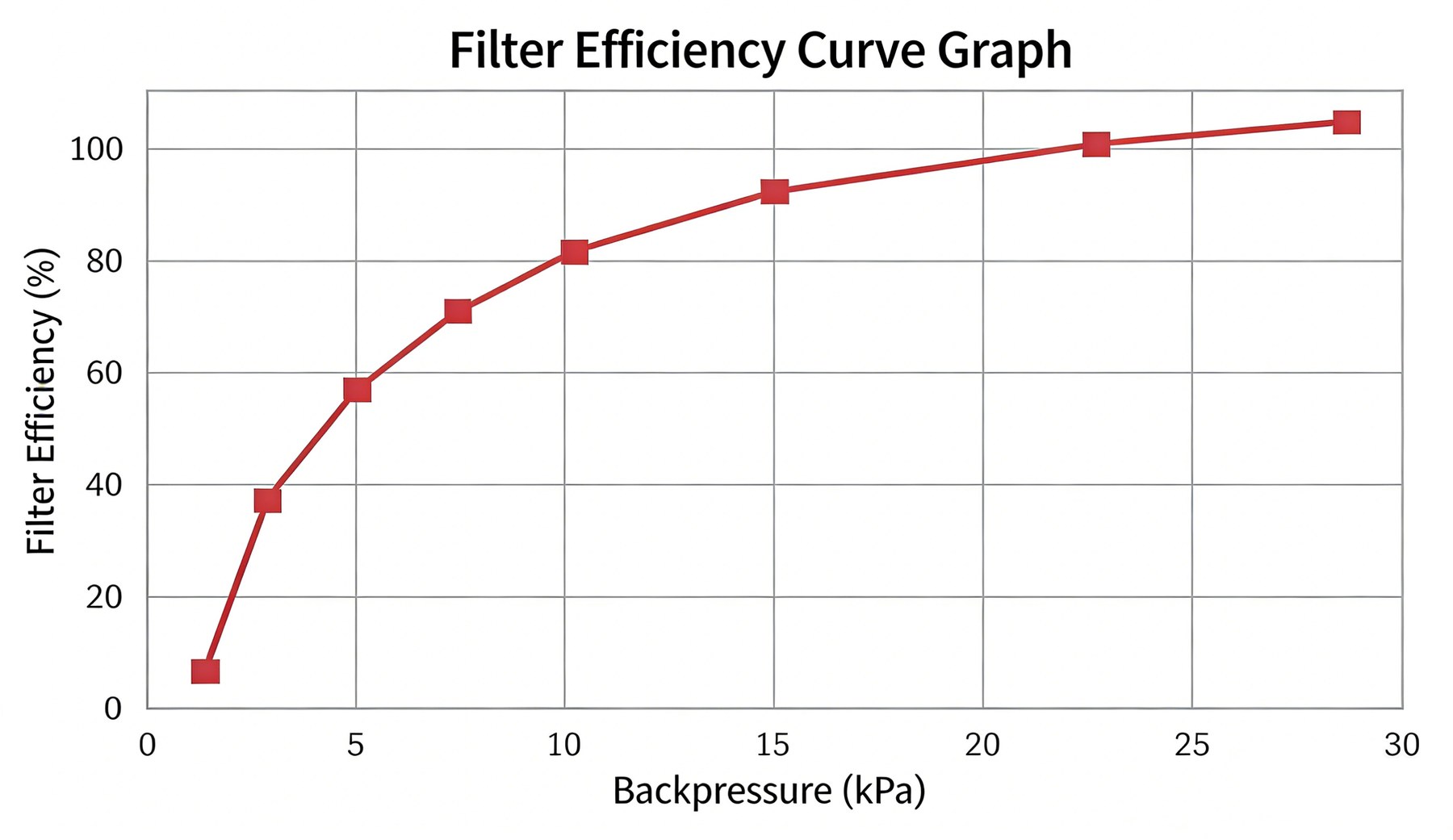
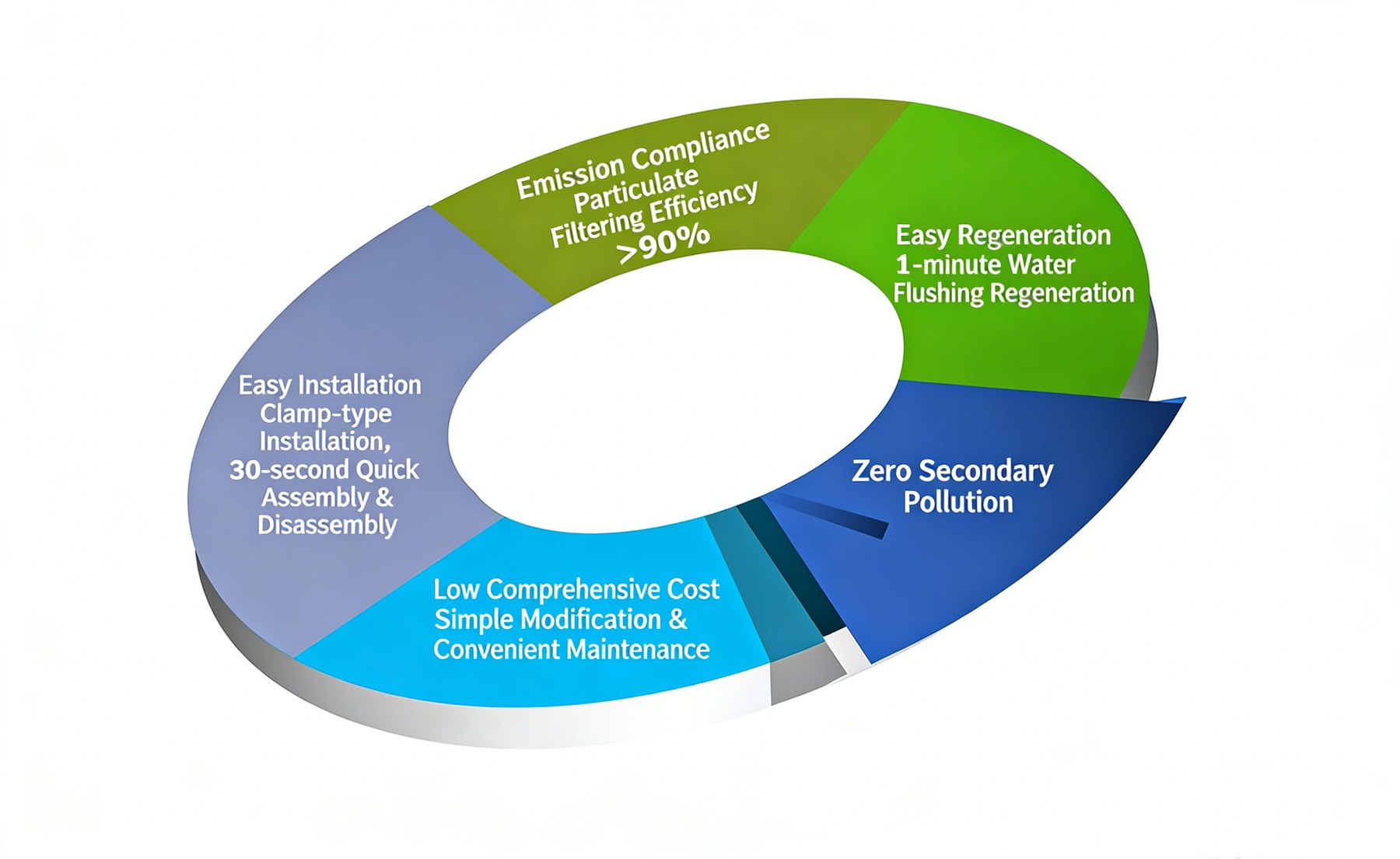
As the engine runs continuously, carbon particles accumulate on the outer surface of the core and system back pressure gradually rises. Once back pressure reaches the set value, the machine can be stopped, the clamp removed, the core pulled out and rinsed clean under a tap, then reinstalled into the housing and the clamp retightened for further use — a cycle that repeats. Initial back pressure is as low as 1 kPa, so normal engine operation is barely affected. The specially designed particulate trap offers high soot-holding capacity and long service intervals with low maintenance. When back pressure reaches the preset value (generally 25 kPa), an alarm can be set to remind the operator to regenerate the core.
Where conditions are harsh and both smoke and exhaust temperatures are high, a double-layer filtration plus dual-mode design can be adopted. The outer layer is a coarse filter capturing most carbon particles; the remaining fine particles pass into the fine-filtration layer, whose high soot capacity captures sub-micron carbon particles so the exhaust meets emission standards. A dual-mode device at the base of the core automatically opens and triggers an alarm when purifier back pressure exceeds what the engine can withstand, relieving pressure while reminding the operator to stop the machine for core servicing.