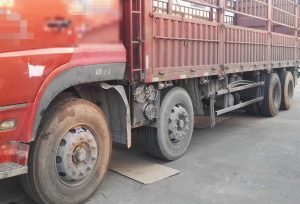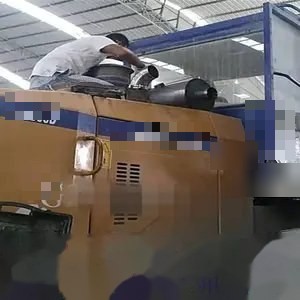
On October 13-14, environmental authorities from Shenzhen, Dongguan and Huizhou, together with traffic police, ran joint roadside inspections of older heavy-duty diesel trucks at the Baguang expressway toll station in Dapeng New District and at Tangxiayong in Bao’an District, according to the Shenzhen Ecology and Environment Bureau on October 15. Officers checked 24 older trucks and cited two: one with a tampered exhaust temperature sensor and one exceeding smoke limits.
Peak-season enforcement targets tampering, cheat devices and black smoke
The action implements a dedicated work plan for cross-border heavy-duty truck inspections in the October-November peak period, on top of the joint scheme the three cities issued earlier this year. Checks will concentrate on trunk roads and inter-city checkpoints, with extra attention to out-of-town Euro 3 and Euro 4 trucks that violate Shenzhen’s entry restrictions. Inspections target the pattern Chinese regulators call “three denials, two tamperings, one smoke”: emission control devices and OBD systems not operating properly, skipped urea (DEF) dosing, retrofitted or manipulated pollution control hardware, and visible black smoke. Per China Environmental News, the three cities began sharing vehicle inspection data in the first half of 2026 and established a cross-city lockout: a truck that fails testing and does not complete repairs cannot simply retest in a neighboring city.
What this means for AIFILTECH customers
Enforcement now reaches beyond visible smoke into the status of the aftertreatment system itself — urea lines, temperature sensors, OBD traces — so defeat devices carry far more risk than a compliant retrofit ever will, and fleets are better off completing inspection or retrofitting before the peak enforcement window. For workshops and retrofit shops, the repair-retest loop that the data lockout enforces turns every enforcement sweep into real service demand, and that is exactly the window for a compliant product like the AIFILTECH metal black smoke purifier. Fleets running construction machinery alongside road trucks face the same logic as non-road low-emission zones expand, so the non-road exhaust gas purifier line belongs in the same compliance review.