Petrol-pump cameras in Delhi read number plates. This winter they take on a second job: turning away vehicles without a valid pollution certificate. On October 29 the Delhi Traffic Police announced that from November 1, entry into the capital starts with an emissions check.
Under the revised Graded Response Action Plan (GRAP), from November 1, 2026 to January 31, 2027, vehicles registered outside Delhi that do not meet BS-VI emission standards are barred from entering; CNG and electric vehicles are exempt. Interstate diesel buses face the same BS-VI line. Two gates close at once: one checks the registration standard, the other checks the vehicle as it stands – even a BS-VI vehicle is stopped at the border without a valid Pollution Under Control Certificate (PUCC).
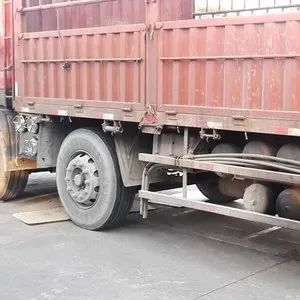
Through-traffic has its own route: goods vehicles not destined for Delhi must use the Eastern or Western Peripheral Expressway. Enforcement relies on automatic number plate recognition (ANPR) and RFID, with cameras already installed at petrol pumps and 300 enforcement personnel deployed. The Times of India estimates more than one million vehicles are affected – over 400,000 in and around Noida, about 400,000 in Ghaziabad, and roughly 200,000 across Gurgaon and Faridabad. Offices run at half strength, and the metro has been adding trips since October 22.
BS-VI is not a pass, either
India’s control logic runs on two layers. BS-VI governs new-vehicle admission – mandatory nationwide since April 2020, and diesel vehicles sold since then carry particulate filters and SCR as standard. PUCC governs the vehicle in use: fail the periodic emission test and the certificate cannot be renewed. This ban welds the two layers together – meeting the registration standard is only the entry ticket; the live condition is the pass.
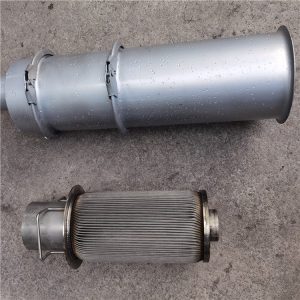
A million vehicles and a three-month window will make fleets redo the math: trucks running Delhi routes either get replaced or arrive at inspection in condition. A retrofit does not change a vehicle’s BS class, and city access does not come back with one; what it improves is the pass rate at inspection and visible smoke on the road. For in-use trucks that will not reach a replacement cycle inside this window, that is the practical option – the dry metal-cartridge AIFILTECH truck exhaust gas purifier strips down for washing and reuse, which is exactly this maintenance need.
Delhi tightens every winter. What is new this year is that the gate moved from checking paperwork to checking emission class. AQI jumped from 179 on October 20 to 244 on October 21, and Stage I of GRAP was invoked at once – the pattern for the next three months is set.