
Metal DPF vs DOC + Ceramic DPF: Which Fits Non-road Retrofit
Neither route is universally better; what matters is whether the operating profile matches. Where exhaust temperature runs low, fuel quality is inconsistent and downtime hurts, a water-washable metal DPF carries far less maintenance burden. Where raw emissions are clean and exhaust temperature is high and stable, such as Euro IV-and-above on-road vehicles, DOC + ceramic DPF remains a sound choice. Three fit boundaries explain the difference.
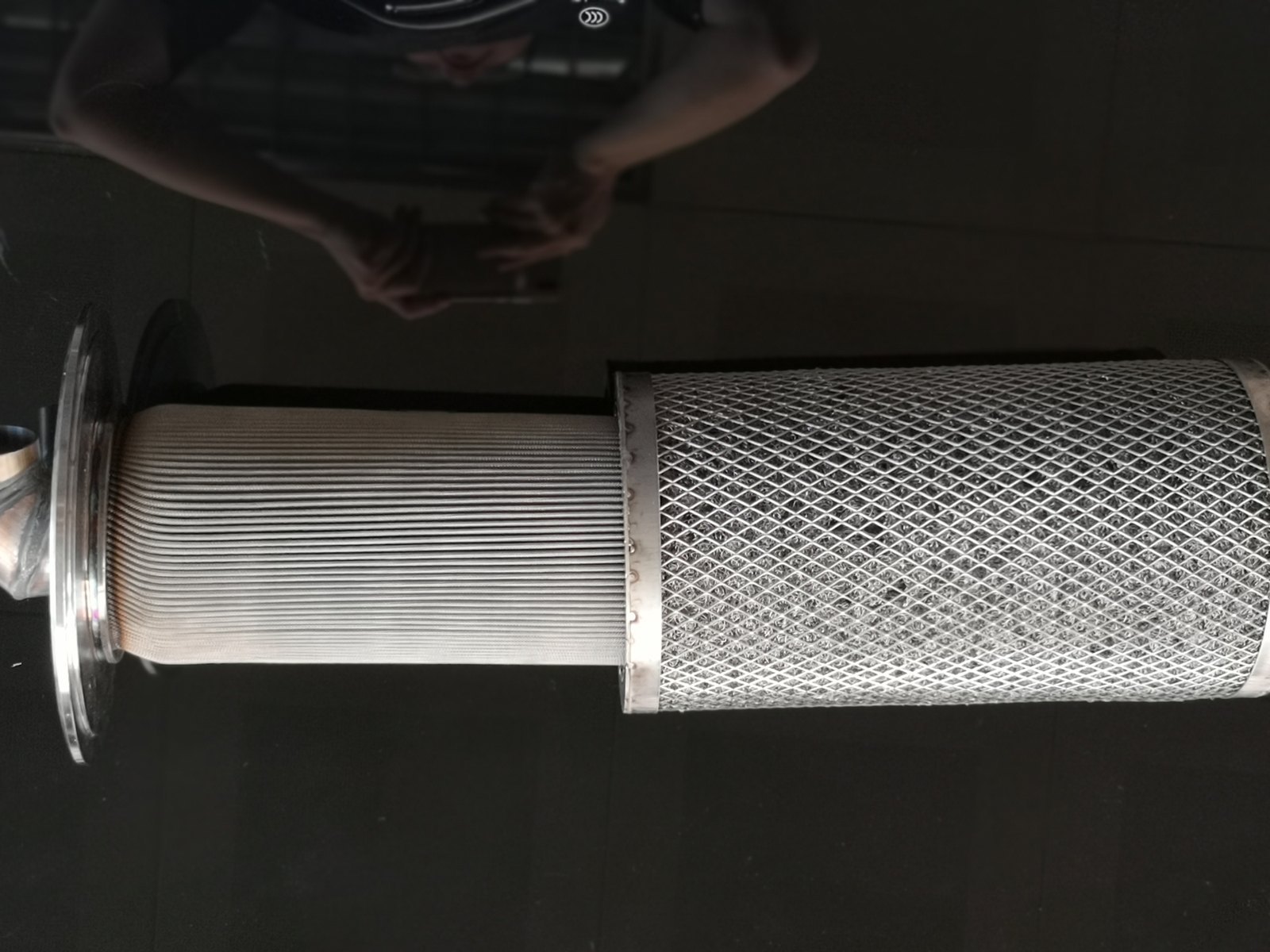
The comparison at a glance
| Dimension | Water-washable metal DPF | DOC + ceramic DPF |
|---|---|---|
| Exhaust temperature dependency | None; wall-flow physical capture | Precious metals need about 350 C for best regeneration |
| Fuel sulfur tolerance | Insensitive to sulfur | Sulfur shortens catalyst service life |
| Regeneration | Stop and rinse, about 1 minute | Bake in a furnace; one cycle takes hours |
| Element life | Washable again and again; replace only if scratched, heat-warped, or back pressure stays high after washing | Typically scrapped after 5–6 bake cycles |
| Typical fit | Forklifts, loaders, generator sets, airport vehicles and other non-road or stationary machinery | Clean-stock Euro IV-and-above on-road vehicles |
Boundary one: light-off temperature
Precious metals coated on a DOC need roughly 350 C to enter their best regeneration window. Small non-road engines rarely reach that; even large units, which get there at continuous load, often sit below it for the first 15 minutes after a cold start. When exhaust temperature stays under the window, regeneration underperforms, soot accumulates, and clogging becomes a matter of time.
Boundary two: fuel sulfur
Non-road machines refuel in the field, often from small stations where diesel sulfur can run high. Sulfur shortens the effective life of precious-metal catalysts; once the catalyst weakens, the regeneration chain behind it breaks. This boundary tracks regional fuel quality, so verify local diesel before committing to any retrofit.
Boundary three: regeneration effort
When a ceramic substrate plugs, the sequence is: let the engine cool (1–2 hours), pull the substrate, take it to a bake furnace, ramp up slowly for 2–3 hours (fast heating cracks it), bake, ramp down for about 2 hours (fast cooling also cracks it), blow it clean with compressed air, and reinstall. One cycle takes hours, and a substrate typically survives only 5–6 of them. In practice, this routine is rarely kept up.
How the metal element sidesteps all three
A water-washable metal element needs no light-off temperature; it captures soot physically at the filter wall. Sulfur does not affect it. When back pressure reaches 25 kPa, stop the engine, release the clamp, rinse for about one minute, and refit. Replacement comes into play only for scratches, heat distortion, or back pressure that stays high after washing. Capture and temperature control details are on the working-principle page; day-to-day steps are in the maintenance guide.
Route suggestions by scenario
| Scenario | Suggested route |
|---|---|
| Small forklifts and loaders | Water-washable metal DPF |
| Large generator sets and marine engines | Multi-element metal purifiers; for high exhaust temperature, see mounting and temperature-control notes on the working-principle page |
| Very high-smoke vehicles | Multi-stage filtration (pre-filter + metal DPF) |
| Euro IV-and-above on-road replacement | DOC + ceramic DPF remains the mature route |
| High-sulfur fuel regions | Prefer the metal route; confirm fuel quality before retrofitting |
FAQ
Is DOC + ceramic DPF outdated?
No. It is a mature route for Euro IV-and-above on-road vehicles with high, stable exhaust temperatures and reliable fuel. Its boundary is non-road retrofitting, where low exhaust temperature and scattered fuel sources weaken the regeneration chain.
How do I know whether my engine suits the ceramic route?
Measure it: take exhaust readings at the tailpipe during cold start and full load. If readings stay well below 350 C, a temperature-dependent regeneration route will not hold up, and a purely physical barrier filter is the safer choice.
Does a metal element really wash in one minute?
A single element under tap water takes about one minute of rinsing and rotating; add dish detergent for oily deposits. The full procedure is in the maintenance guide.
Can the two routes be combined?
Yes. A pre-filter catches coarse soot and a metal element does fine filtration. That is the multi-stage approach used on very high-smoke vehicles to stretch service intervals.
Can ceramic substrates be washed with water?
In engineering practice, ceramic substrates are regenerated by baking and compressed-air blowback, not by water. Elements designed for water washing are covered on the working-principle page.
What if a ceramic DPF is already installed in a high-sulfur region?
Collect data first: exhaust temperature, back pressure, fuel sulfur level. Then assess catalyst condition and substrate loading before deciding whether to stay on the route or switch to a metal one.
Based on AIFILTECH TPS-series technical documentation and the TPS purifier operating manual. For complete units, see the metal exhaust gas purifier product page.
Tell us your operating profile
Send your engine type, exhaust temperature and fuel quality data, and we will recommend a route and configuration within one business day.