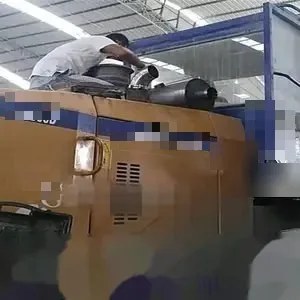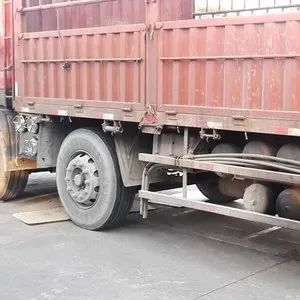
An orange alert is up – can that China-II forklift on the site still run? From 12:00 on November 3, Dezhou’s answer is no.
The Dezhou heavy-pollution weather emergency command issued an orange warning at noon on November 2 and started the Level II response twenty-four hours later. Linyi, also in Shandong, moved a day earlier: its Level II response began on November 1, and from November 3 it requires daily situation reports on the previous day’s enforcement.
Which machines stop first?
Dezhou’s mandatory measures come in tiers. Units moving bulk materials – mines and coal mines, coal-washing plants, logistics operations, industrial parks with ten or more loaded truck movements a day – must stop using China-II and older non-road mobile machinery, except clean-energy and emergency-repair equipment. Key vehicle-using units and construction sites must also idle China-III and older non-road machines.
Where can trucks still go?
Tiered as well. Bulk-cargo units may not use China-IV or older heavy goods vehicles (gas-powered included); key vehicle users and construction sites stop China-V and older transport vehicles; and in urban areas, China-IV and older medium and heavy diesel trucks, three-wheelers, low-speed vehicles and tractors are barred outright. Industrial plants cut or halt output according to the fixed-source emergency reduction list.
When does it lift?
When the joint forecasting by the ecology-environment and meteorology departments says the accumulation and regional transport of pollutants are easing. Linyi’s reporting template is granular: roadside and on-site checks of heavy diesel trucks, non-road machines inspected, problems found, fines imposed – all filed by 09:00 every day.
The shutdown order is a ranking
Emergency measures are not a blanket shutdown. Who stops first and who stops later is written into the list, and the logic behind the list is performance grading: well-treated sources with stable emissions stop less; untreated ones stop first. An alert period therefore works as a stress test for in-use equipment – machines that pass an annual inspection still get re-ranked when the list comes out.
For existing fleets, the practical route is keeping emission condition up all year. The AIFILTECH non-road exhaust gas purifier and truck exhaust gas purifier improve visible smoke and day-to-day test pass rates – they do not change a registration class or earn an exemption during alerts. But roadside and on-site checks do not pause when the alert lifts either. Both cities have published their measures before the season peaks; more municipalities in the region are expected to file the same tiered lists as the forecasting turns.