The Ningxia Hui Autonomous Region convened its 2026–2027 winter air pollution control campaign on 15 October 2026, reviewing air quality for the first three quarters and setting priorities through 31 March 2027.
Twelve priority tasks, industry first
The campaign covers twelve areas, including ultra-low emission retrofits at industrial plants, coal burning, mobile sources, dust control, straw burning, fireworks and heavy-pollution response. Industrial sources rank first: cement and coking plants must follow ultra-low emission retrofit requirements on a reverse schedule and complete annual tasks on time, while inefficient or failed treatment facilities are screened and upgraded.
Boilers and vehicles tighten in parallel
Coal-fired boilers of 65 t/h and above must complete ultra-low emission retrofits, with small coal boilers phased out and clean-heating gains consolidated. On mobile sources, road checks will be routine, subsidies will support the retirement of China III and older medium- and heavy-duty trucks and Stage I and older non-road machinery, and sales of off-spec diesel will be targeted.
What it means for high-temperature filtration
Kiln tail gas, clinker coolers, coke ovens and coke dry quenching all combine high temperature, fine dust and fluctuating loads. Stable compliance after retrofit depends on media that tolerate heat and corrosion while holding a low outlet concentration:
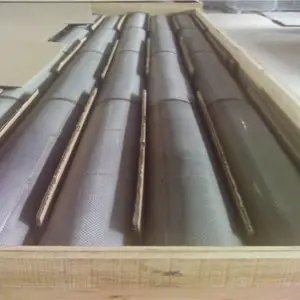
- Ceramic fibre filter tubes for 200–900 °C gas, with outlet dust controllable below 5 mg/Nm³.
- Metal filter bags and cartridges for corrosive or high-moisture duty, water-washable and reusable.
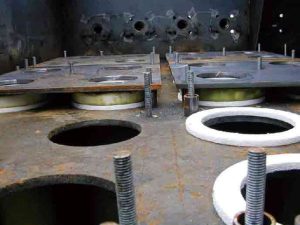
- Complete high-temperature dust collector systems sized on gas volume, temperature, dust load and emission limit.
Related products: MULCERAFIL ceramic fibre filter tubes, metal filter bags and cartridges, and ceramic-tube high-temperature dust collectors.
Compiled by AIFILTECH from public sources; the official notice prevails.