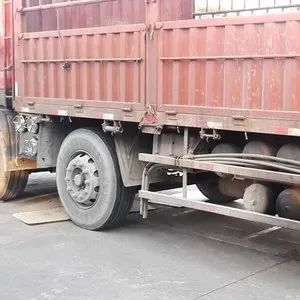
A heavy truck with an SCR system is cruising when the diesel exhaust fluid runs low: first a warning lamp, then power steps down notch by notch until the truck crawls into a rest area. That sequence is the “derate,” and the proposed rulemaking EPA published on July 14, 2026 (91 FR 43154) for its 2027 heavy-duty engine standards wants to change exactly that part.
The limit itself does not move: the new NOx standard of 0.035 g/bhp-hr stands, roughly an 80% cut from the current level. What changes is the enforcement machinery. EPA proposes replacing engine performance derates in SCR inducement provisions with visible and audible alerts – on-road and non-road applications alike – and setting nonconformance penalties (NCPs) for medium- and heavy-duty diesel engines from model year 2027, giving manufacturers a pay-per-unit path to keep delivering while the technology matures. Warranty stays at current levels; by EPA’s own estimate, diesel truck buyers save up to 6,000 dollars per vehicle. The comment period closed on August 29, with PACCAR, Cummins and American Trucking Associations all backing the NCPs. No final rule yet – Rush Enterprises’ CEO said in early November he did not expect one this month and pointed to January or February. On November 2, John Deere began rolling out software updates for agricultural, construction and forestry equipment under EPA guidance, extending the window operators get before a DEF or SCR fault leads to a derate.
One regulator locks down, the other unwinds the alarm
In the same week, two documents landed on opposite shores of the Pacific, pointing in opposite directions. Guangzhou’s measures for non-road machinery, effective November 9, require any machine that exceeds limits or emits black smoke to be “repaired promptly or fitted with a compliant pollution control device,” tightening registration, tracking and logbooks layer by layer. EPA, with the limit untouched, loosens the mechanism – from “stop the vehicle” to “turn on the light.” One regime polices whether the device is installed and healthy; the other polices whether trucks stay available.
The alert sounds; the fault remains
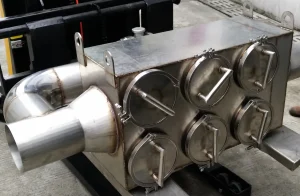
Swapping derates for alerts relaxes the timing of the penalty, not the duty to maintain. Rush Enterprises’ CEO recalled on the earnings call what happened when DEF debuted in 2010: “clogged particulate filters all over the country.” Deferred aftertreatment maintenance always sends its bill later. An unfixed SCR fault keeps emissions dirty; a loaded DPF drives fuel burn and repair costs upward. That is why the truck exhaust gas purifier and the generator set black smoke purifier from AIFILTECH are built around metal filter cartridges that can be cleaned and regenerated: aftertreatment is an asset serviced year by year, not a fit-and-forget accessory. China tightens the paper trail, America eases the shutdown – both roads end in the same place: a clean exhaust.