
Data center generator retrofit: what low-load changes
A data center standby genset spends most of the year not running, and that changes the retrofit math. The deciding factors are not kilowatts but low load and standby duty: monthly cold-start tests produce smoke, sustained low load defeats temperature-dependent regeneration, and the machine room limits how much you can touch. Work backwards from the operations calendar, not forwards from a product catalogue.
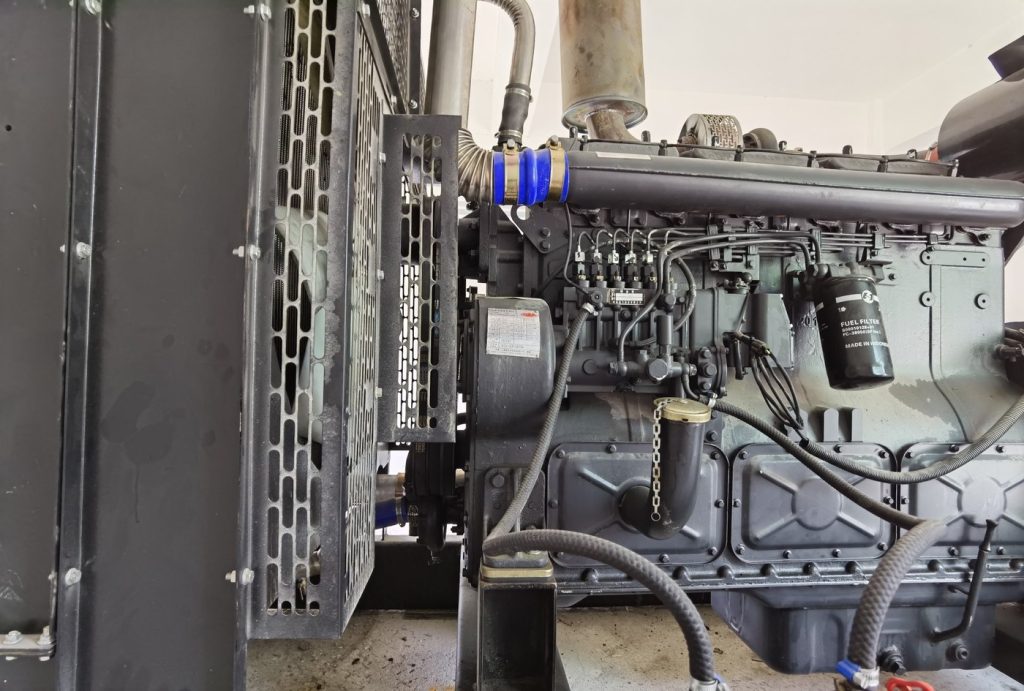
Why standby units are a different kind of customer
With utility power present, a standby genset only runs monthly no-load or load-bank tests; annual running hours are measured in single digits to low tens. Two consequences follow. First, cold-start transients dominate what little runtime exists — and that is exactly when exhaust smoke is blackest. Second, exhaust temperature stays low, so any regeneration that depends on heat struggles to happen; soot is never burned, only stored.
The compliance driver is equally real: many cities inspect and accept standby gensets, and black smoke during tests strains relations with whoever shares the boundary wall. The goal is therefore not the strictest number on paper, but a cold-start smoke reading that stays measurable and maintenance that costs the O&M team nothing extra.
Configuration: start from the back-pressure budget
Before anything else, get two numbers from the engine maker: the allowed exhaust back-pressure limit and the exhaust pipe diameter. The budget fixes the aftertreatment volume and layout, and later decides at what soot level maintenance is due. For particulates, a washable metal element filters by physical interception on the wall — no light-off temperature, indifferent to fuel sulfur — which matches the low-load profile of standby duty. Add DOC+SCR only when a NOx target requires it.
SCR deserves its own warning: urea injection relies on a temperature window, and a standby unit idling at low load may never reach it, inviting crystallisation and ammonia slip. Whether SCR belongs in the package must be assessed against measured temperatures, not copied from a continuously running installation. To keep the unit available while an element is being washed, choose a model with a bypass butterfly valve — the 12-core generator set purifier is built around exactly that.
The retrofit process, in five steps
| Step | What happens |
|---|---|
| 1 Survey | Measure exhaust temperature at the stack for cold start and full load; record space, pipe routing and stack direction with photos. |
| 2 Selection | Size the element configuration against power band and flow, with a back-pressure estimate; NOx target decides SCR. |
| 3 Installation | Build to drawings without touching the genset itself; clamp connections for later washing. |
| 4 Commissioning | Verify back pressure and leak points; test bypass valve and control interlocks. |
| 5 Acceptance | Compare smoke-meter readings before and after; write the wash interval and back-pressure threshold into the O&M manual. |
Reference figure: AIFILTECH metal filter elements were tested by a CMA and CNAS accredited laboratory (report K20-WT50002), with smoke opacity falling from 0.50 to 0.34 m-1 in a comparison test. Actual results on each project are confirmed on site.
Maintenance: put regeneration into the O&M calendar
The metal route is scheduled maintenance: when back pressure approaches 25 kPa, stop, release the clamps, wash the element for about one minute, reinstall and keep running. Multi-element sets can use the automatic filter washing machine. Slot the wash into the monthly test window and the O&M team is already on site — there is no extra labour to argue about. Day-to-day steps are in the metal DPF maintenance guide.
The ceramic route needs an extra line in the ledger for this duty: one bake-out cycle takes hours including ramp-up and cool-down, and a substrate typically survives only 5–6 cycles. The route boundaries are set out on the metal versus ceramic DPF comparison page. At standby exhaust temperatures, that arithmetic only gets worse.
Cases that need a dedicated assessment
Three situations should not take a standard package. One: SCR sitting permanently below its temperature window — confirm the NOx target allows DPF+DOC alone before accepting crystallisation risk. Two: indoor exhaust routing or a stack near a fresh-air intake — solve outlet position and backflow protection first. Three: paralleled gensets, seismic bracing requirements, or regions with unknown fuel quality — pipe isolation and fuel testing come before selection. None of these says no; they say do the order right.
Verifiable project records
Retrofit records for comparable gensets are published: the Jiangmen generator exhaust retrofit (metal element route, with before/after smoke readings) and the cement plant genset SCR retrofit (combined route with SCR). Long-term field verification of standby units is ongoing. Product context is on the generator set emissions page.
Next step
Bring the genset model, rated power in kW, monthly test arrangement and machine-room photos to the technical inquiry page — the engineering team replies with a tailored proposal: filtration configuration, back-pressure estimate, installation drawings and quotation. WhatsApp +86 188 1936 6808 works too.