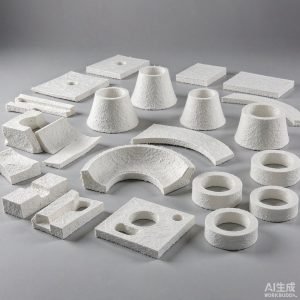
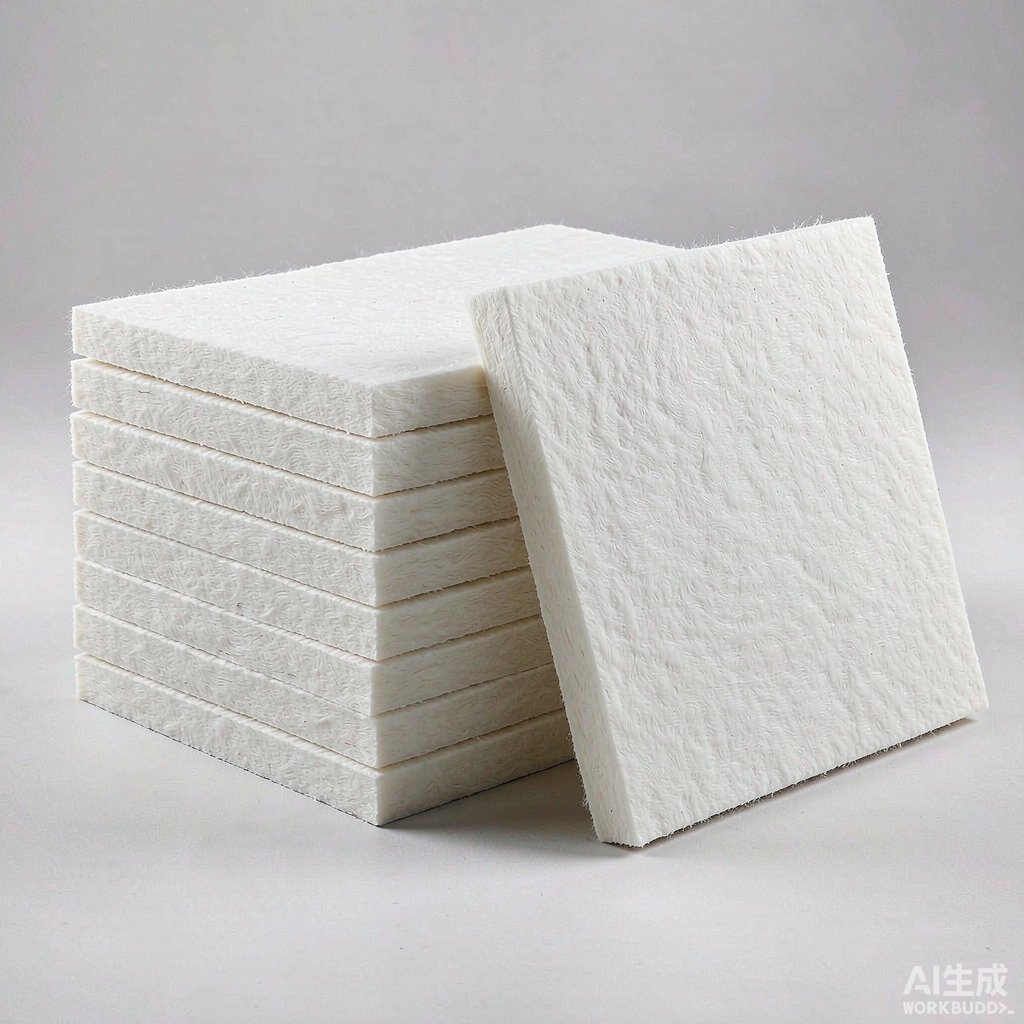
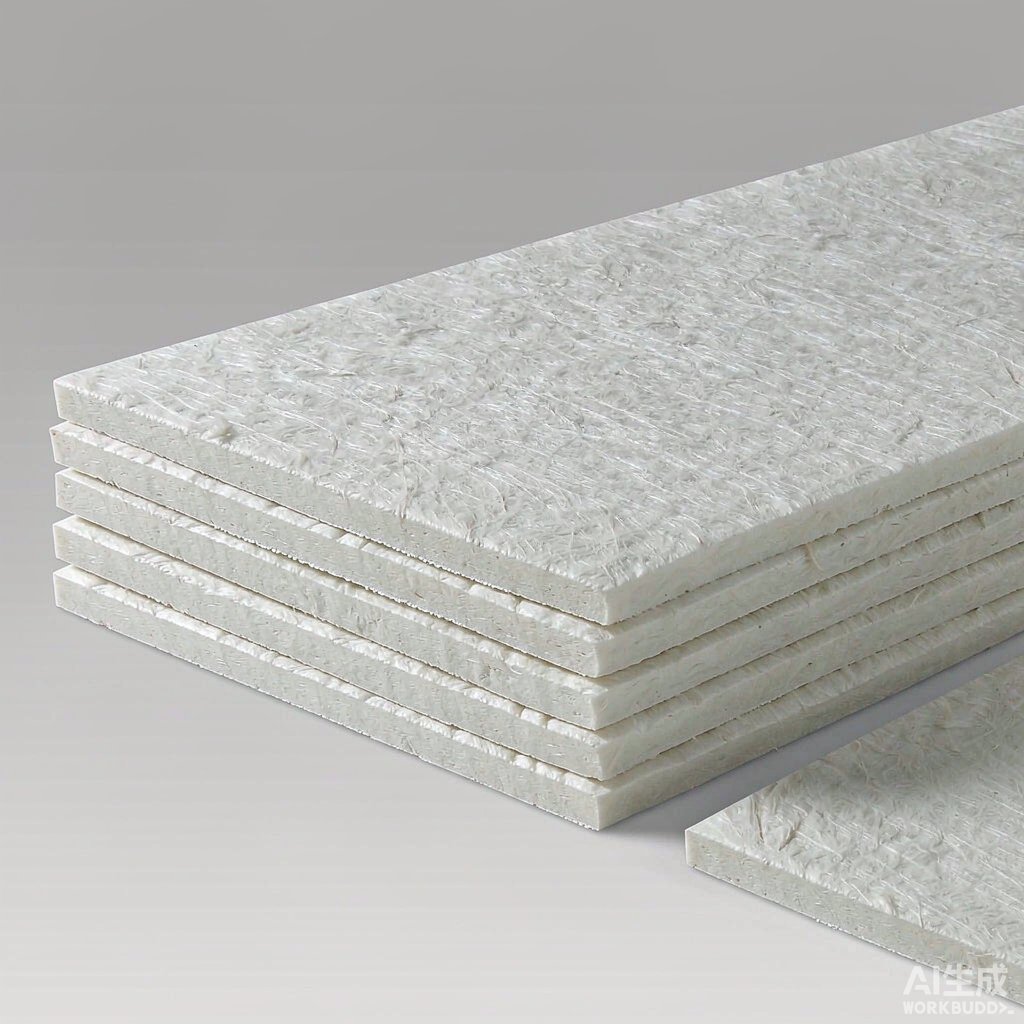
AIFILTECH Ceramic Fiber Board - High-Temperature Insulation

Temp rating 1050~1400 C
Conductivity Low
Workability Cut & drill

Product Introduction

AIFILTECH ceramic fiber boards are vacuum-formed from high-purity aluminosilicate fibers and inorganic binders, offering low thermal conductivity, low heat storage and excellent thermal shock resistance, rated 1050-1400 C for furnace back-up linings, kiln insulation, equipment insulation and gaskets.
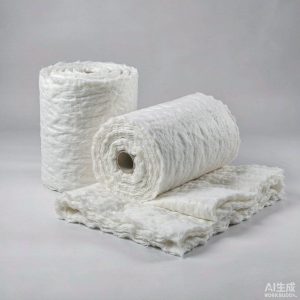
Detailed Overview

01 Product Overview

Ceramic fiber boards are made by mixing spun or blown aluminosilicate fiber with inorganic binders, vacuum-formed and dried into rigid boards with accurate dimensions. The flat, uniform boards can be cut, drilled and jointed directly. Low heating linear shrinkage keeps them free from powdering and deformation in long-term use, making them a lightweight insulation solution that replaces heavy refractory bricks.

02 Performance & Mechanism

The board interior is a 3D interwoven porous fiber structure with over 90% porosity: still air in the micro-pores suppresses convection and conduction, while low-radiation fiber surfaces reduce radiant heat transfer, delivering a very low thermal conductivity. The high-melting-point fiber keeps the structure stable at high temperature.

03 Advantages

  • Low thermal conductivity and low heat storage for fast heat-up and low energy cost; 2. Rated 1050-1400 C with low heating linear shrinkage; 3. Excellent thermal shock resistance and hot-gas erosion resistance; 4. Easy to cut and drill for quick installation; 5. Asbestos-free lightweight solution.

04 Applications

Used for industrial kiln back-up insulation, furnace door and roof insulation, equipment shell insulation, high-temperature gaskets and expansion joint filling. Thickness, density and size can be customized.

Applications

Kiln back-up lining Equipment insulation High-temp gasket Custom

All data above are obtained under specific test conditions; the actual solution must be engineered to site conditions. AIFILTECH provides custom design and sizing based on actual gas volume, temperature, dust characteristics and emission limits.