High-Temp Dust Collection EPC Service

交付 交钥匙工程
经验 20+ 年高温烟气
耐温 按工况定制

Product Introduction

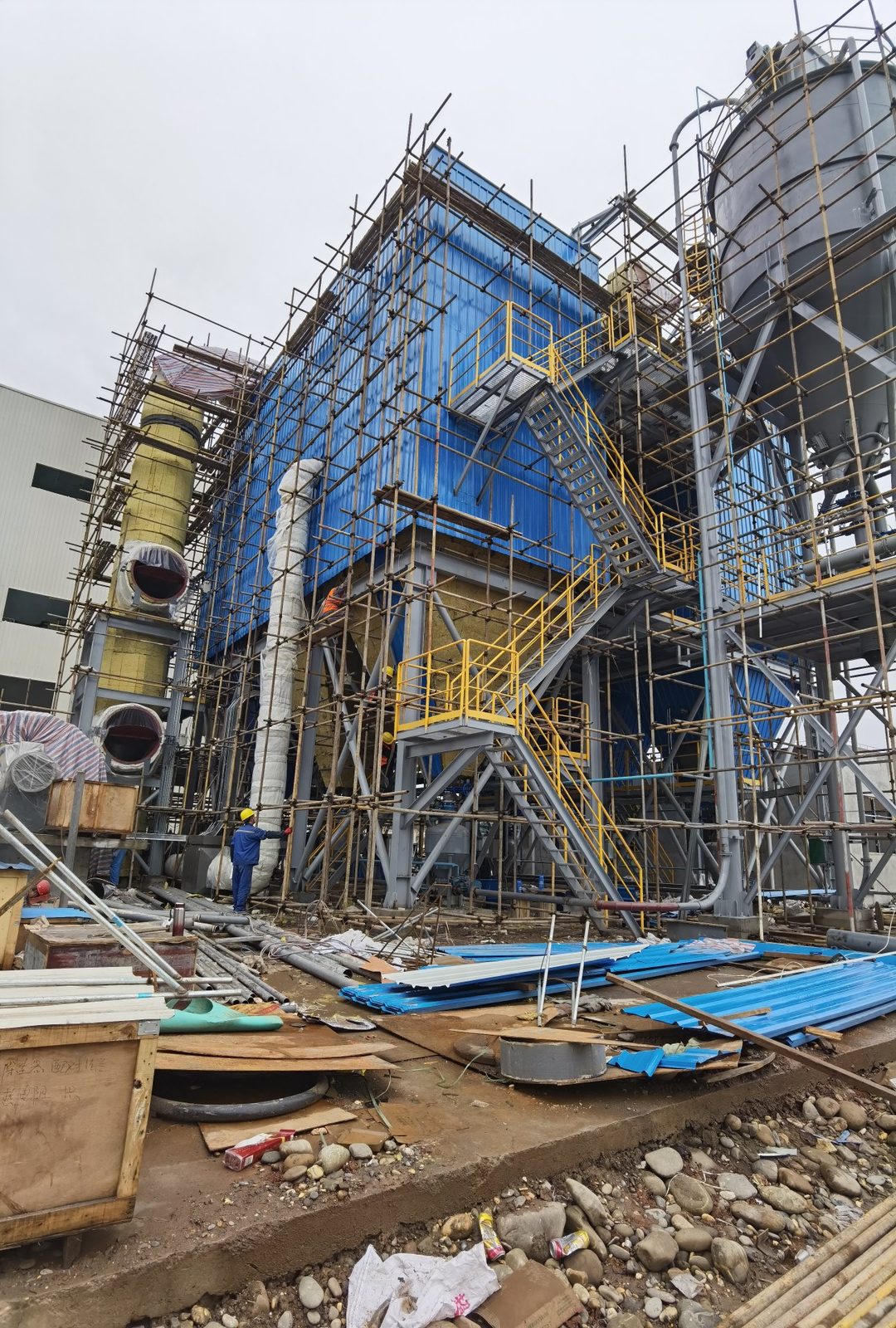
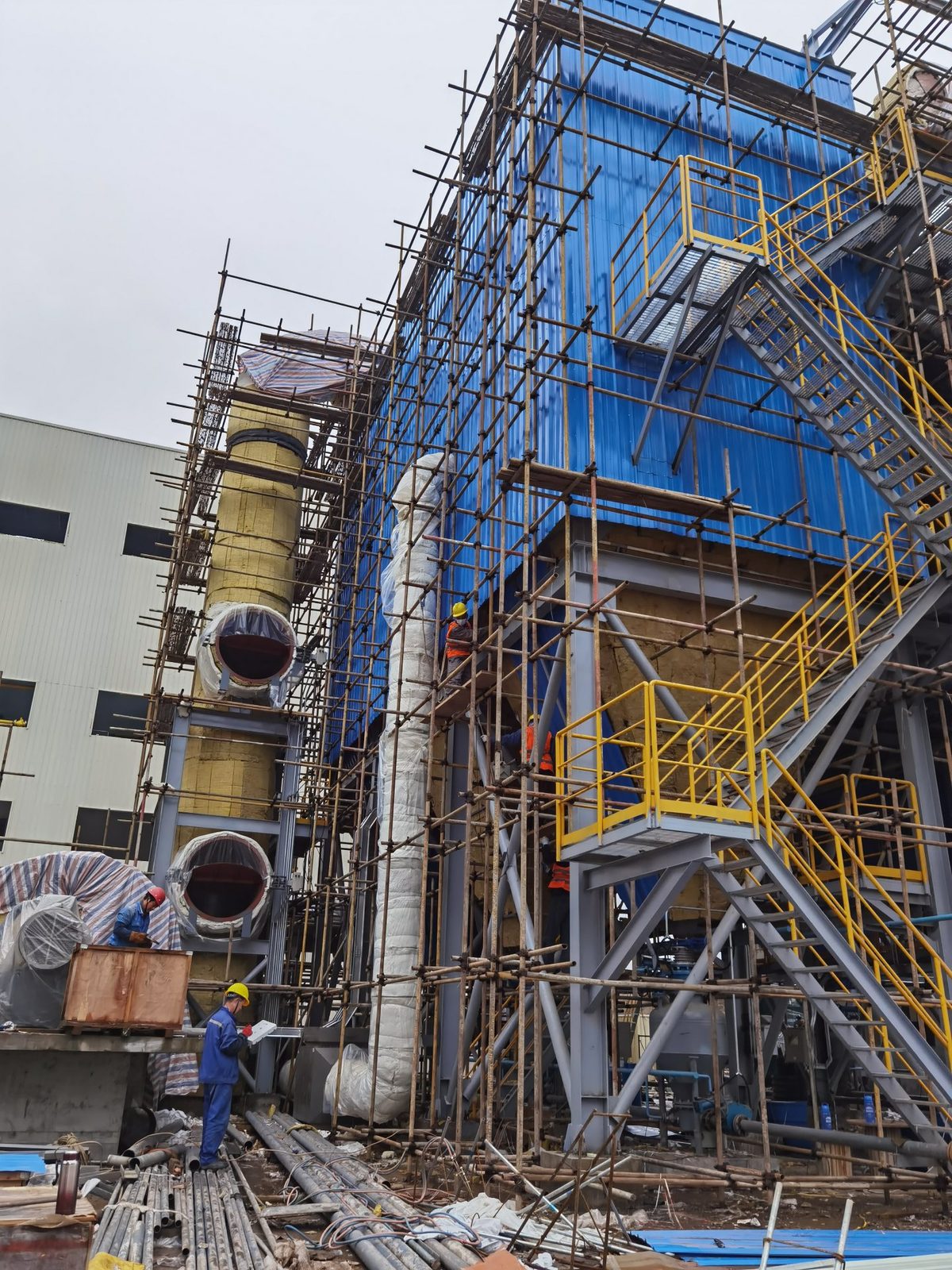
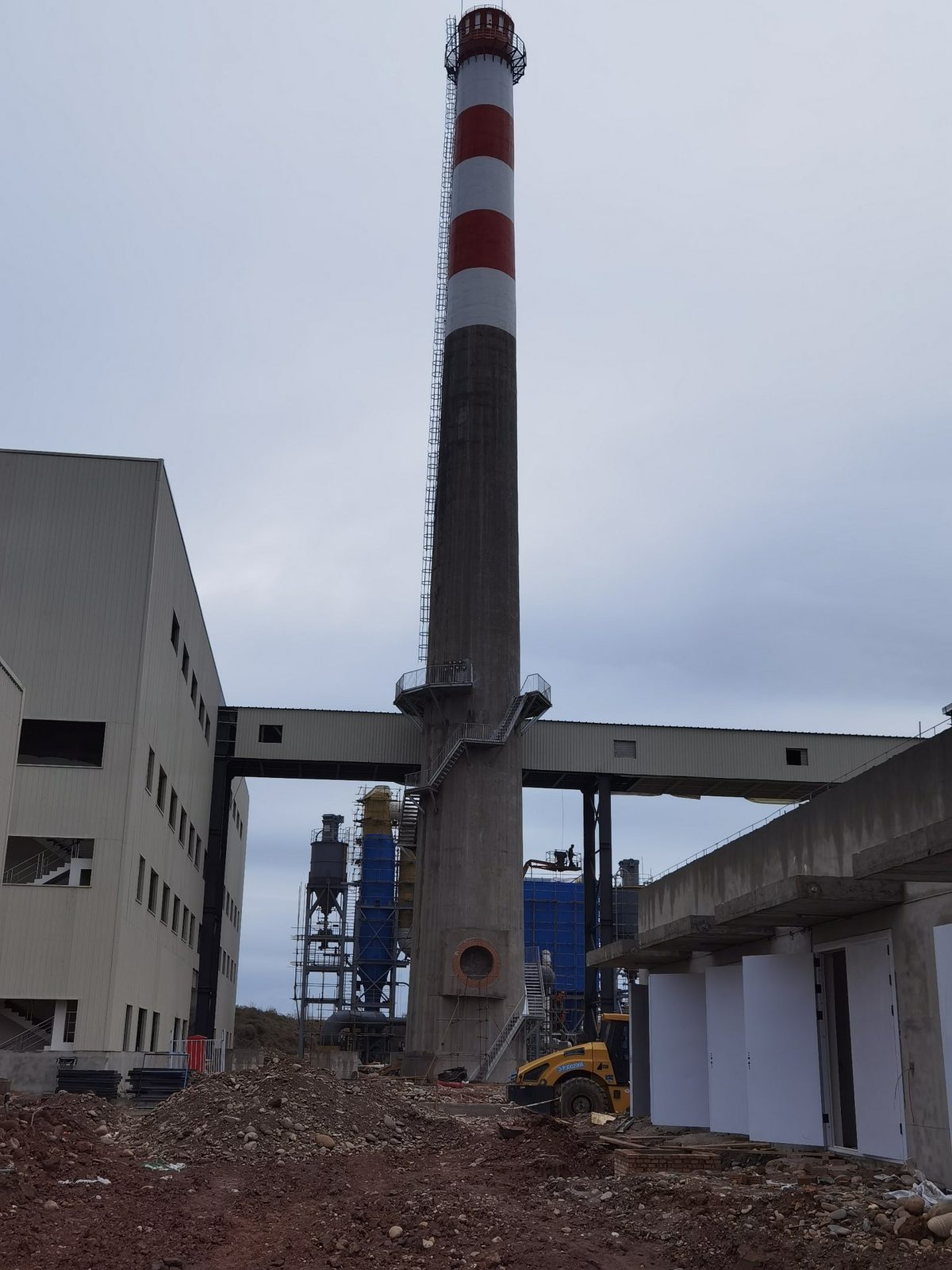
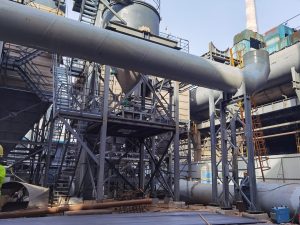
AIFILTECH turnkey EPC service for high-temperature dust collection covers system design, equipment fabrication, steel structure and ducting installation, insulation, electrical integration and commissioning - for new hot gas dust control projects and retrofits.
Detailed Overview

01 Product Overview

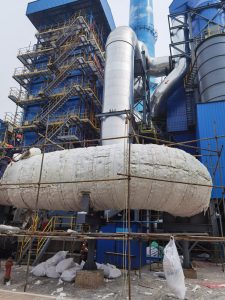
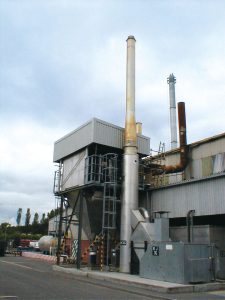
The EPC service covers the complete scope for hot gas dust collection in calcium carbide furnaces, ferroalloy furnaces, biomass boilers and industrial kilns: flue gas parameter survey, system design, fabrication of the collector, on-site installation and commissioning. Filter options include ceramic fiber filter tubes, sintered metal cartridges and modular units, selected by gas volume, temperature and dust properties, with ducting, pulse cleaning and ash handling integrated in one contract.

02 Scope of Service

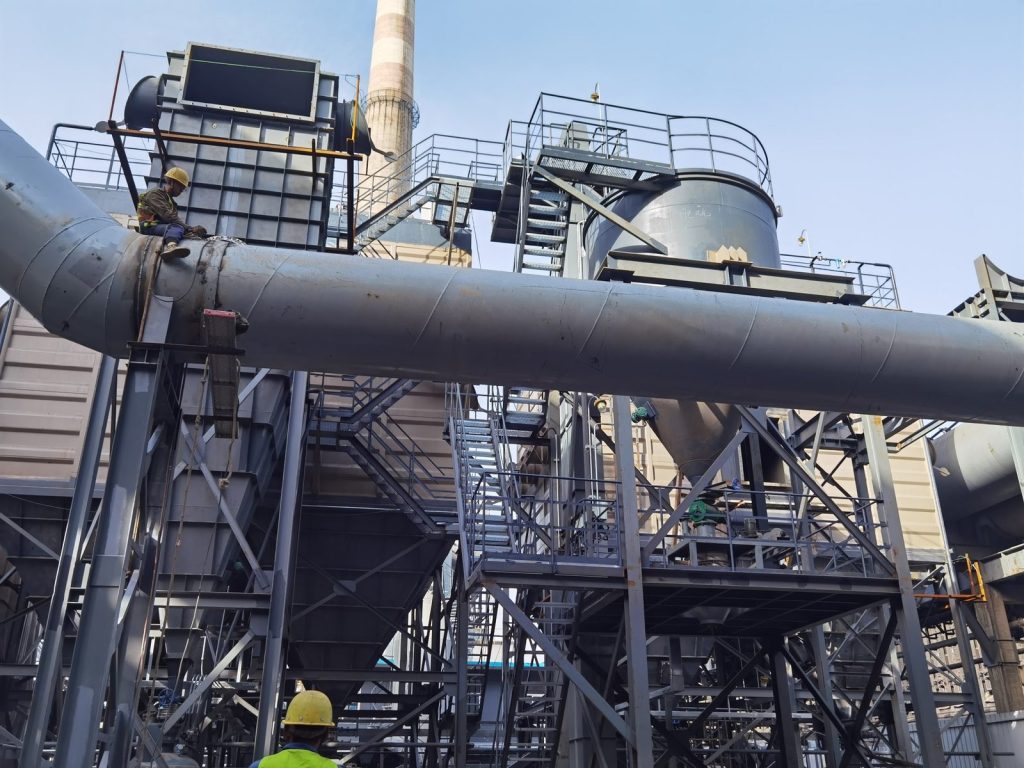
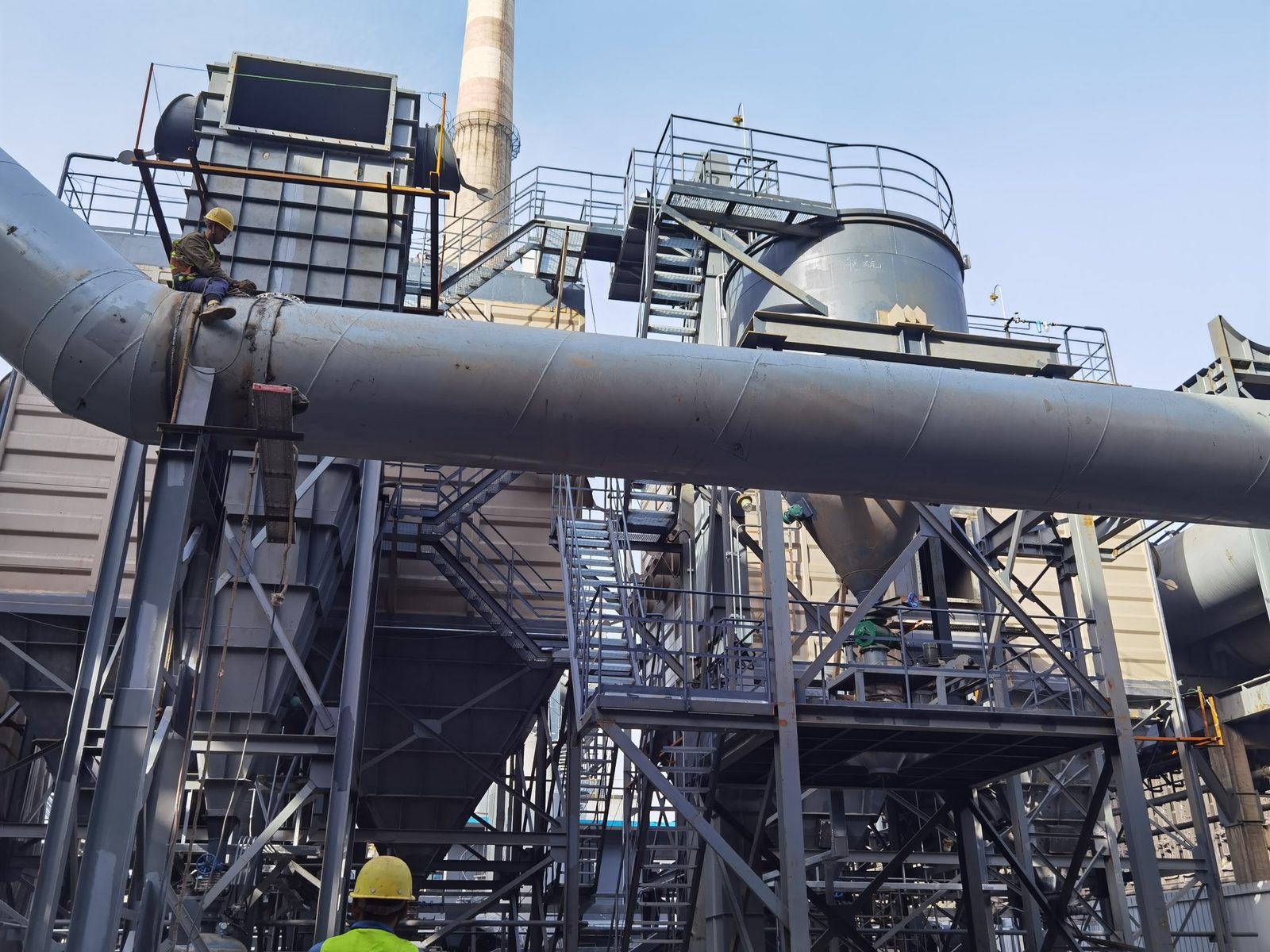
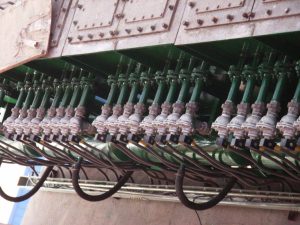
System design and sizing; fabrication of casing, tube sheets and filter bundles; installation of ducts, metal expansion joints and supports; ceramic fiber module insulation; pulse-jet cleaning, differential pressure monitoring and electrical works; commissioning, operator training and hand-over with performance records.

03 Implementation Process

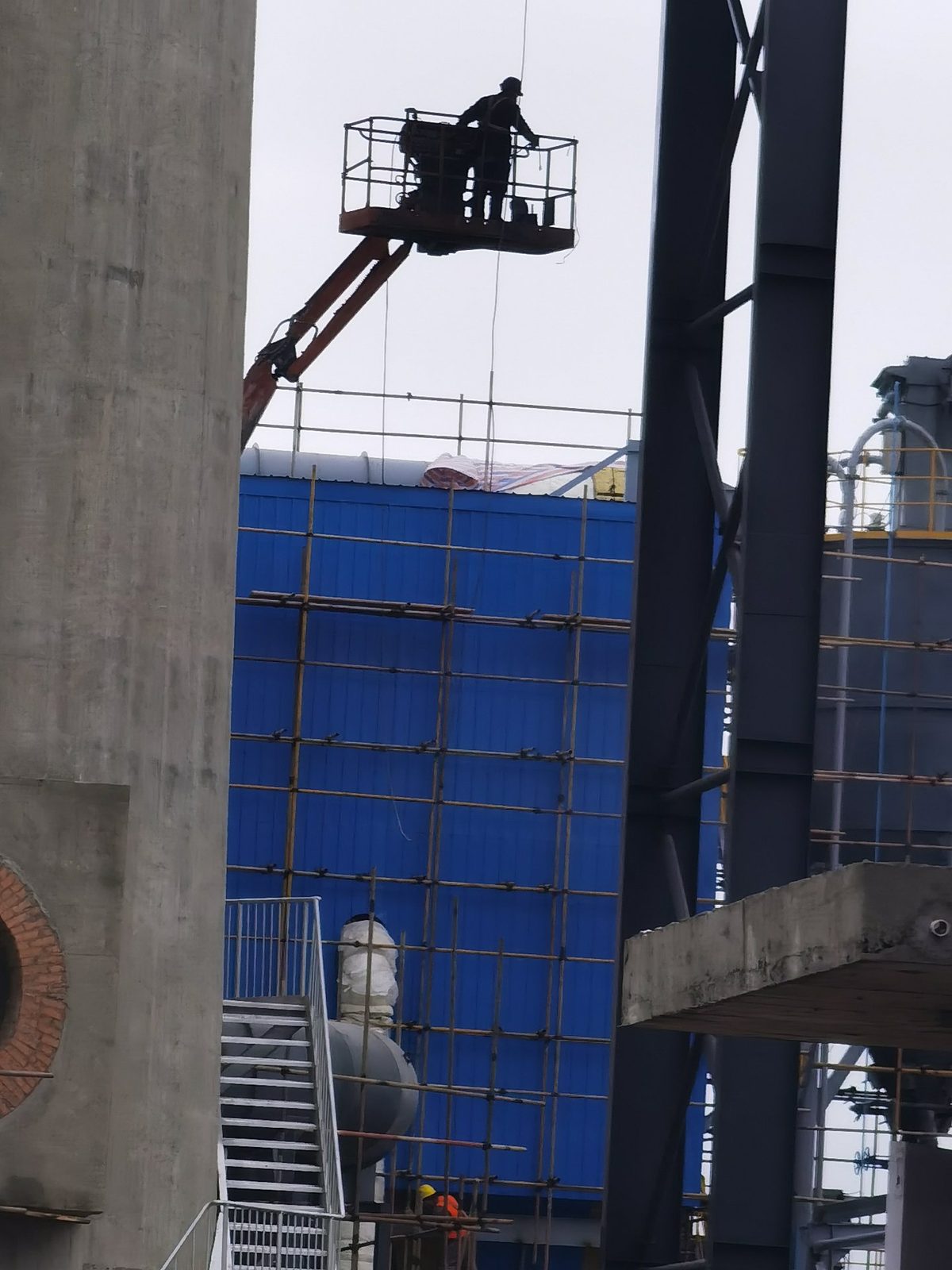
Site survey and parameter confirmation - design and drawings - fabrication - on-site installation (casing, ducting, insulation, electrical) - cold and hot commissioning - emission test support and hand-over. Staged shutdown tie-ins can be arranged for retrofit projects.

04 Applications

New high-temperature dust collection projects, upgrading of existing collectors, ESP-to-bag / ESP-to-ceramic-tube conversions, and integrated flue gas cleaning contracts where ducting, insulation and instrumentation are executed by one contractor.

Applications

Calcium carbide furnace Ferroalloy furnace Biomass boiler Industrial kiln

All data above are obtained under specific test conditions; the actual solution must be engineered to site conditions. AIFILTECH provides custom design and sizing based on actual gas volume, temperature, dust characteristics and emission limits.