An operator logs into the analyzer panel and trims the particulate calibration slope a little – the emissions figure on screen drops at once. Some sites really worked this way. The draft standards gazetted for comment on November 3 (document Huan-Ban-Biao-Zheng-Han [2026] No. 34, drafted October 30) are designed to weld that door shut.
Four national environmental standards are out for consultation at once: technical requirements for continuous emission monitoring systems (CEMS) measuring SO2, NOx and particulates from stationary sources; a technical specification for how such systems are installed and run; data-transmission requirements for portable monitoring devices; and – listed as a standalone standard for the first time – general requirements for tamper and forgery prevention in field monitoring equipment. Comments close on December 4, under the Environmental Code and the Ecological and Environmental Monitoring Regulations.
What does tamper-proofing actually block?
Every route a manipulation could take from inside the device. Parameters fall into three control classes: Class A parameters cannot be modified on the device, Class C cannot be entered manually. Access rights are tiered three ways, logs must be kept for at least two years, data is encrypted with SM4, and time is synchronized by BeiDou or network with location recorded. Devices need a unique code and digital signature, firmware must resist downgrade, data flows one way only, and an independently powered lid-opening counter plus lead seals record every physical intervention. Before leaving the factory, JTAG/SWD debug ports must be disabled or blown.
Do existing machines have to change?
There is no grandfather clause. Newly networked devices must pass consistency checks; in supervised spot tests, a zero-point or span calibration error beyond plus-or-minus 20% of range for gaseous pollutants is judged a performance failure requiring repair, upgrade or replacement. The structural rule matters more: the velocity field factor, particulate calibration slope and intercept, and reference oxygen content may in future be set only on the data collector – the analyzer must not retain an entry point – and the collector must read directly from the analyzer’s original port, never through an intermediate industrial PC. Manufacturers face tighter exits too: new CEMS must ship with a test report covering 24-hour drift, detection limit and NO2 converter efficiency.
The data collector now decides
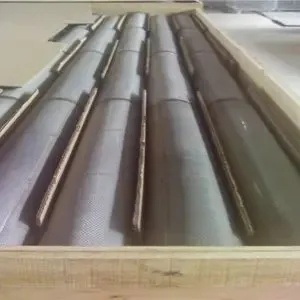
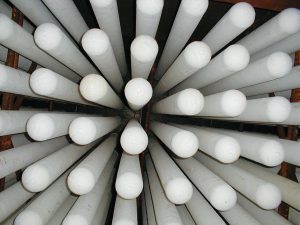
The real meaning of these rules is turning monitoring data from adjustable to read-only. For plant operators it is an unbudgeted retrofit line: many CEMS in service today were built so that both ends could be tuned, and meeting the new standard means hardware changes and renegotiated maintenance contracts. For upstream dust collection the logic is the same – the CEMS sits downstream of the filter, and only stable, low dust loading keeps the probe clean and the calibration error inside that 20% line. The ceramic fiber filter tubes from AIFILTECH deliver outlet dust at the 2 mg/m3 order, and cleanable metal filter bags hold resistance flat, so the eyes measuring emissions stay undisturbed. Trustworthy data is a chain that runs from filter media to data collector.