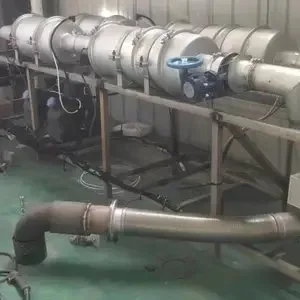
DOC+SCR+DPF+ASC exhaust gas purifier

Purification rate 90%
Filter life Washable metal cores
Regeneration 1-minute water wash
Customisation Built to engine model

Product Introduction

Four stages in series, and the order matters: DOC oxidises NO to NO₂, DPF traps the soot, SCR reduces NOx with urea, ASC cleans up ammonia slip. This unit stacks all four in one shell run with sampling ports between stages, so each stage can be verified on its own.

Detailed Overview

01 Product Introduction

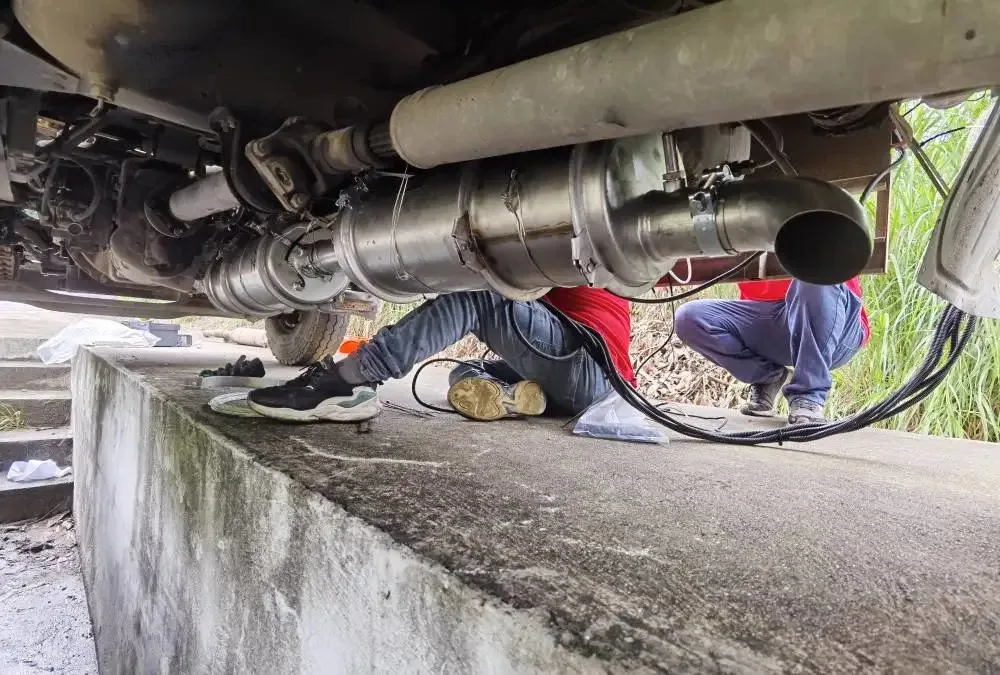
The DOC+SCR+DPF+ASC exhaust gas purifier stacks four stages in one shell run: the DOC oxidises NO to NO₂, the DPF traps soot on a TPS water-washable metal element (metal DPF, patent No. ZL 2018 1 0598975.7) at over 90% particulate capture, the SCR reduces NOx with urea, and the ASC cleans up ammonia slip. Sampling ports between stages let each one be verified on its own.

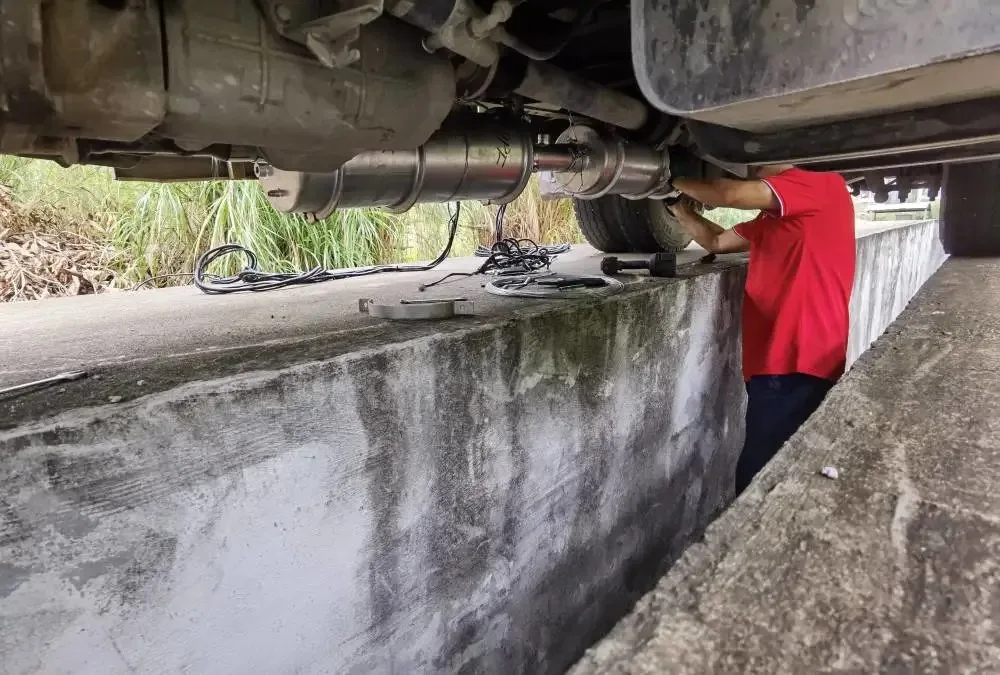
Shell length and stage volumes are sized to exhaust pipe diameter, temperature window and installation space; clamp-on joints replace the original muffler or sit inline. Urea dosing runs from its own control unit, so the original ECU is left untouched and retrofit time stays short.

Duty profile: the SCR stage depends on an exhaust temperature window, so vehicles that spend most of their time at low load and low temperature need the urea light-off checked before sizing. The DPF stage keeps the wash-instead-of-replace routine — one minute under a tap, no consumable core.

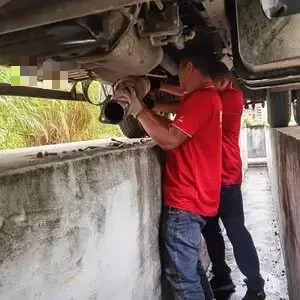
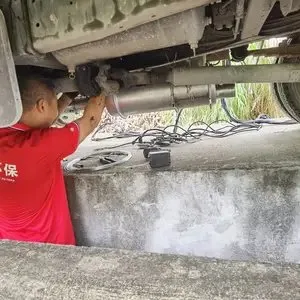
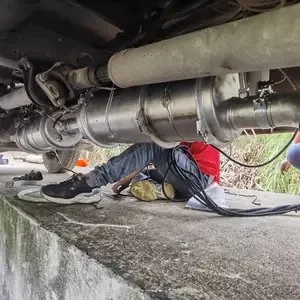
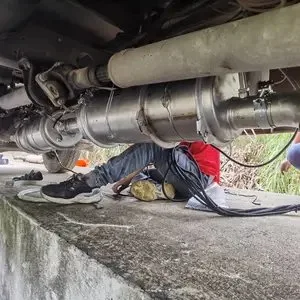
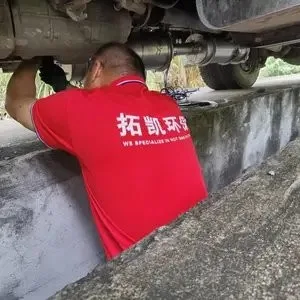
AIFILTECH DOC+SCR+DPF+ASC exhaust gas purifier installation

02 Working Principle

Exhaust enters the shell and passes through four stages in sequence. The DOC oxidises NO to NO₂ over a precious-metal coating and lifts exhaust temperature, setting up the downstream reduction and passive regeneration. The DPF filters from outside in, holding soot on the element surface while clean gas passes into the core. The SCR injects urea where the flow is even, and ammonia reduces NOx to nitrogen and water over the catalyst. The ASC oxidises the ammonia that passes through, so slip does not become a secondary emission.

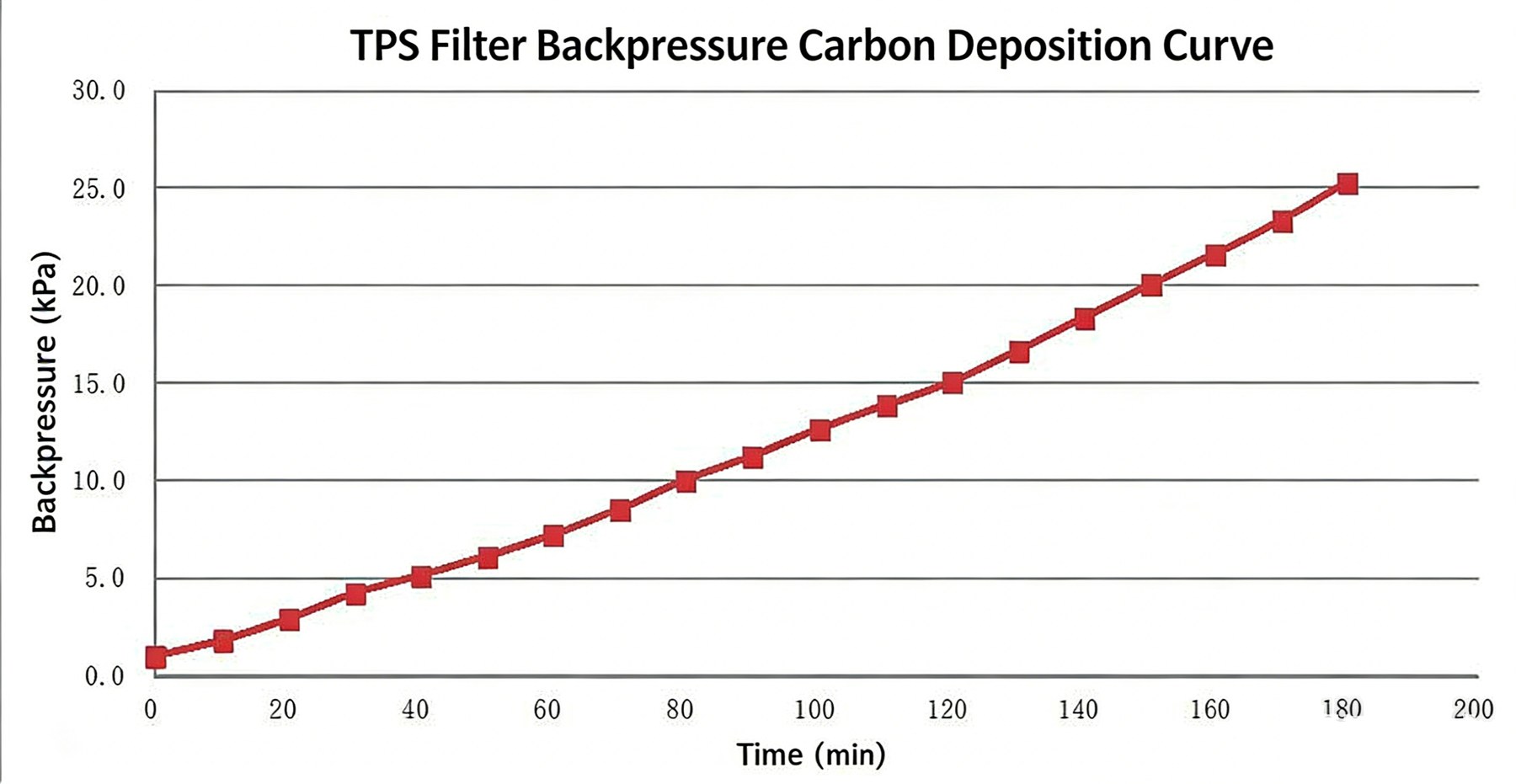
As soot builds on the DPF element, back pressure rises. At the set point — typically 25 kPa — an alarm prompts a stop, the clamp comes off, the element is rinsed and refitted. Initial back pressure is as low as 1 kPa, so engine output is barely affected.

Back-pressure rise as soot accumulates in the element

03 Product Advantages

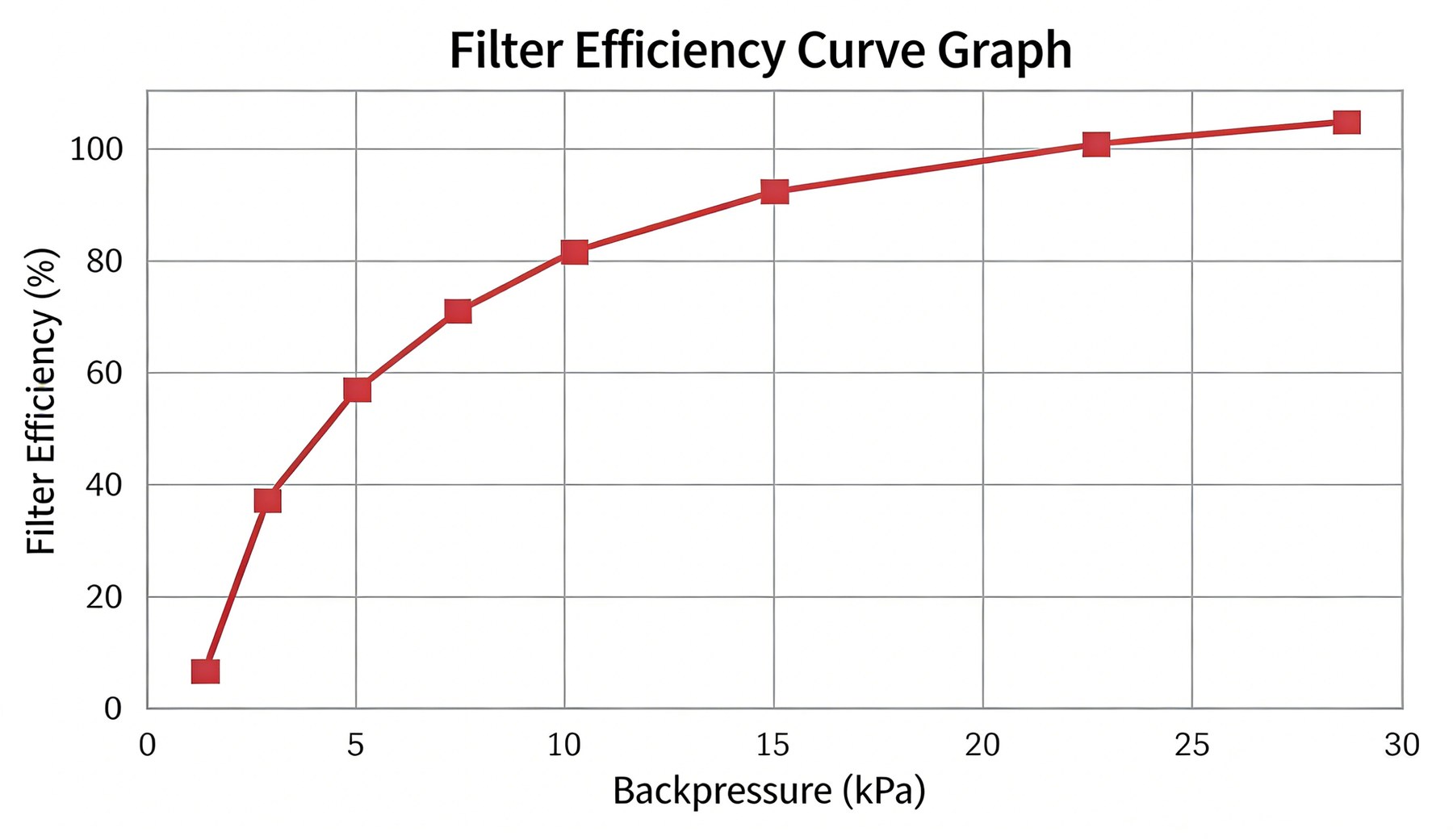
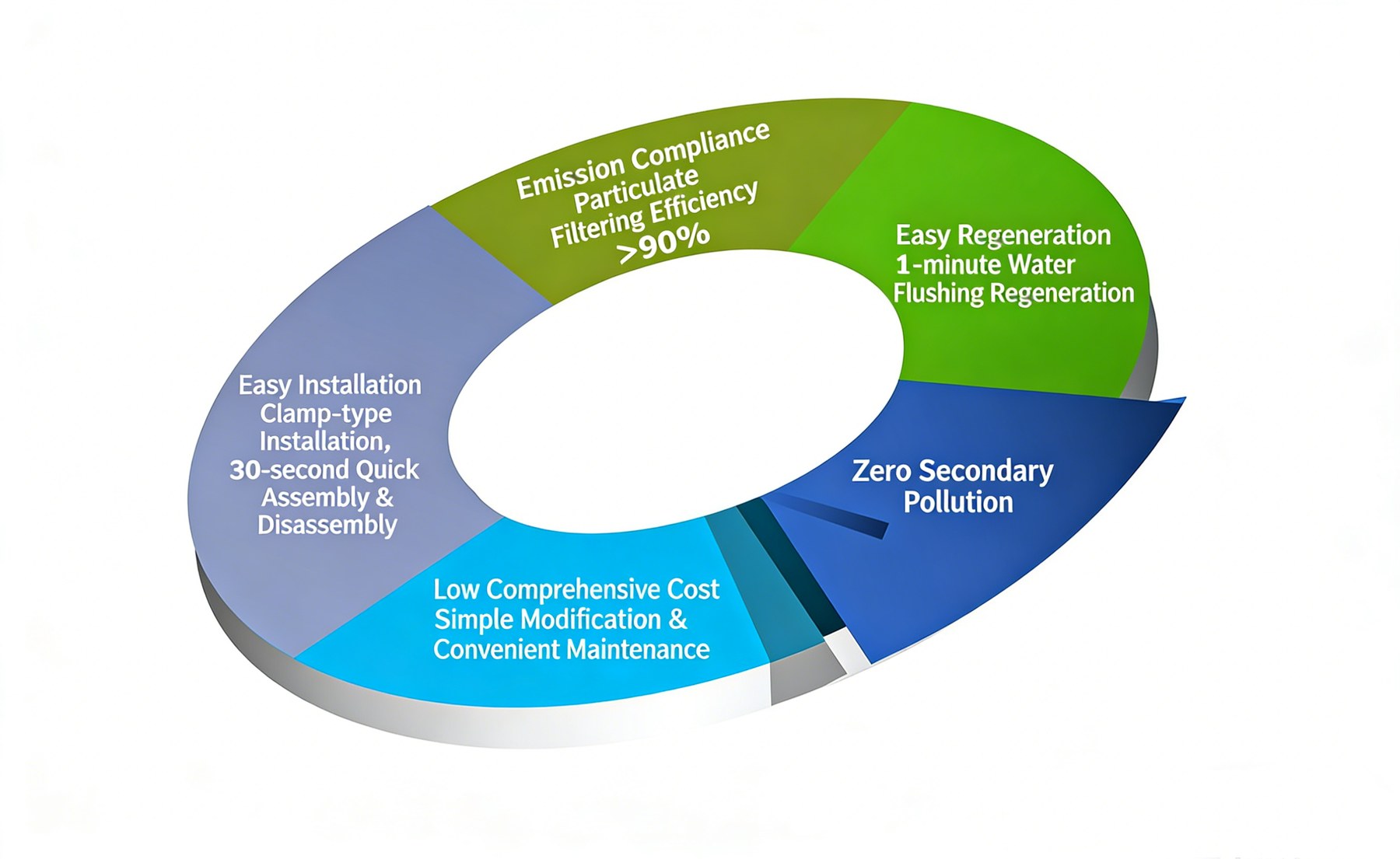
  • Particulate capture above 90%, with a measured light absorption coefficient below 0.5 m⁻¹ and Ringelmann below 1; 2. Four stages in one shell, so particulate and NOx are handled without an external SCR box and its pipework; 3. Simple upkeep: the DPF element is washed in about a minute and reused, not replaced; 4. Sampling ports between stages make each stage verifiable at acceptance; 5. Fast to fit: clamp-on joints, removed and refitted in about 30 seconds; 6. The original ECU stays untouched, with urea dosing on its own controller.
Particulate filtration efficiency curveAdvantages overview: high filtration efficiency, washable regeneration, easy installation, zero secondary pollution

04 Certifications & Application Cases

The unit was tested by an independent laboratory holding CMA and CNAS accreditation; the measured light absorption coefficient was below 0.5 m⁻¹.

Since the AIFILTECH water-washable regenerative metal purifier was developed, the core product has passed nearly 5,000 installations in the after-treatment market and has become a main equipment supplier for diesel retrofit programmes in China. The company joined the retrofit programme in Nanjing back in 2018 and has since completed nearly 1,000 installations there, with users now spread across the country. These units run daily at Beijing Capital, Guangzhou Baiyun, Xiamen, Nanchang and Nanning airports, and at port terminals, in corporate vehicle fleets and on construction sites.

Typical applications: diesel vehicles, construction machinery and generator sets that must control particulate and NOx together. The model is already in volume service, with selection calculation, installation guidance and commissioning support provided.
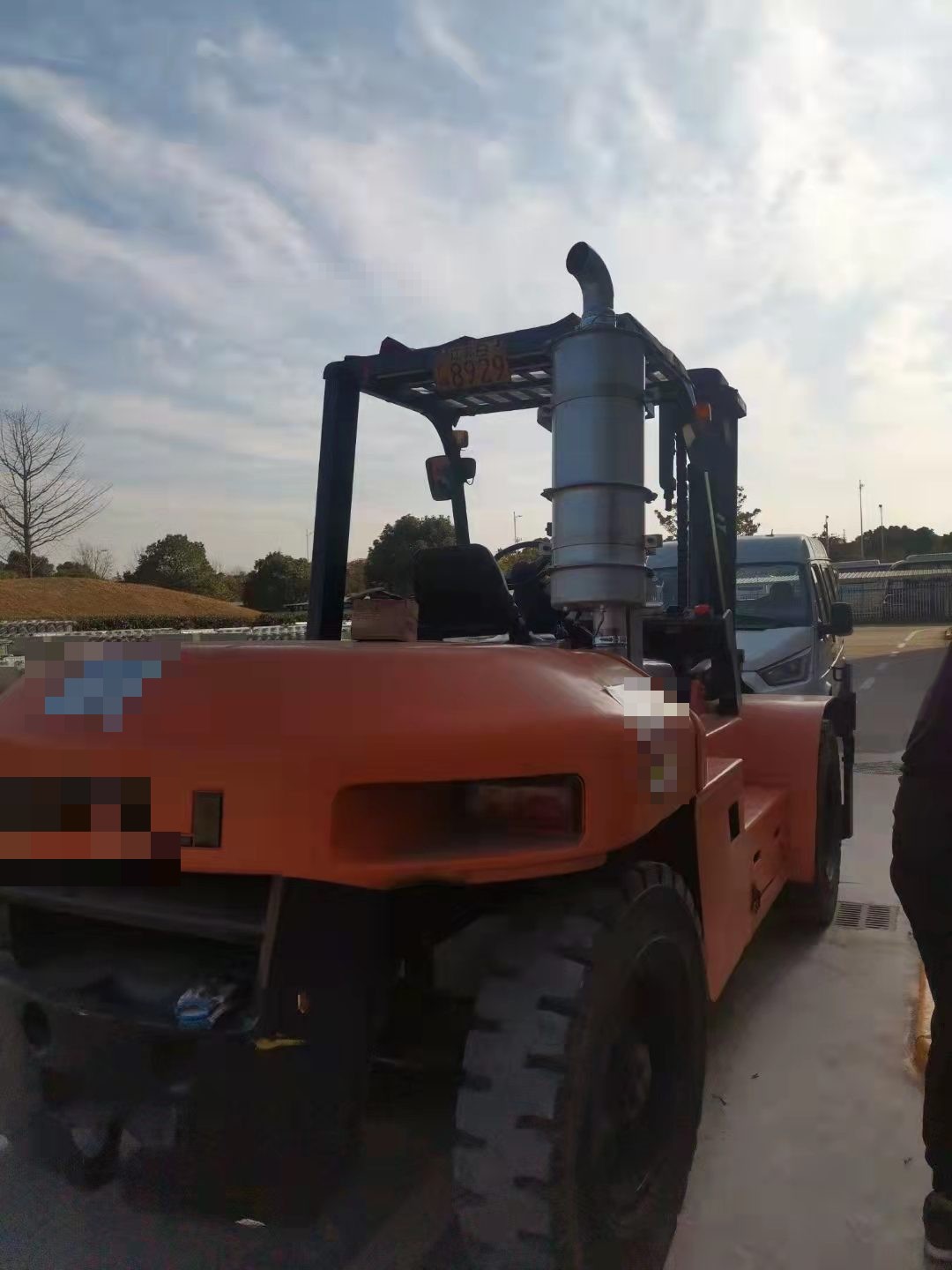

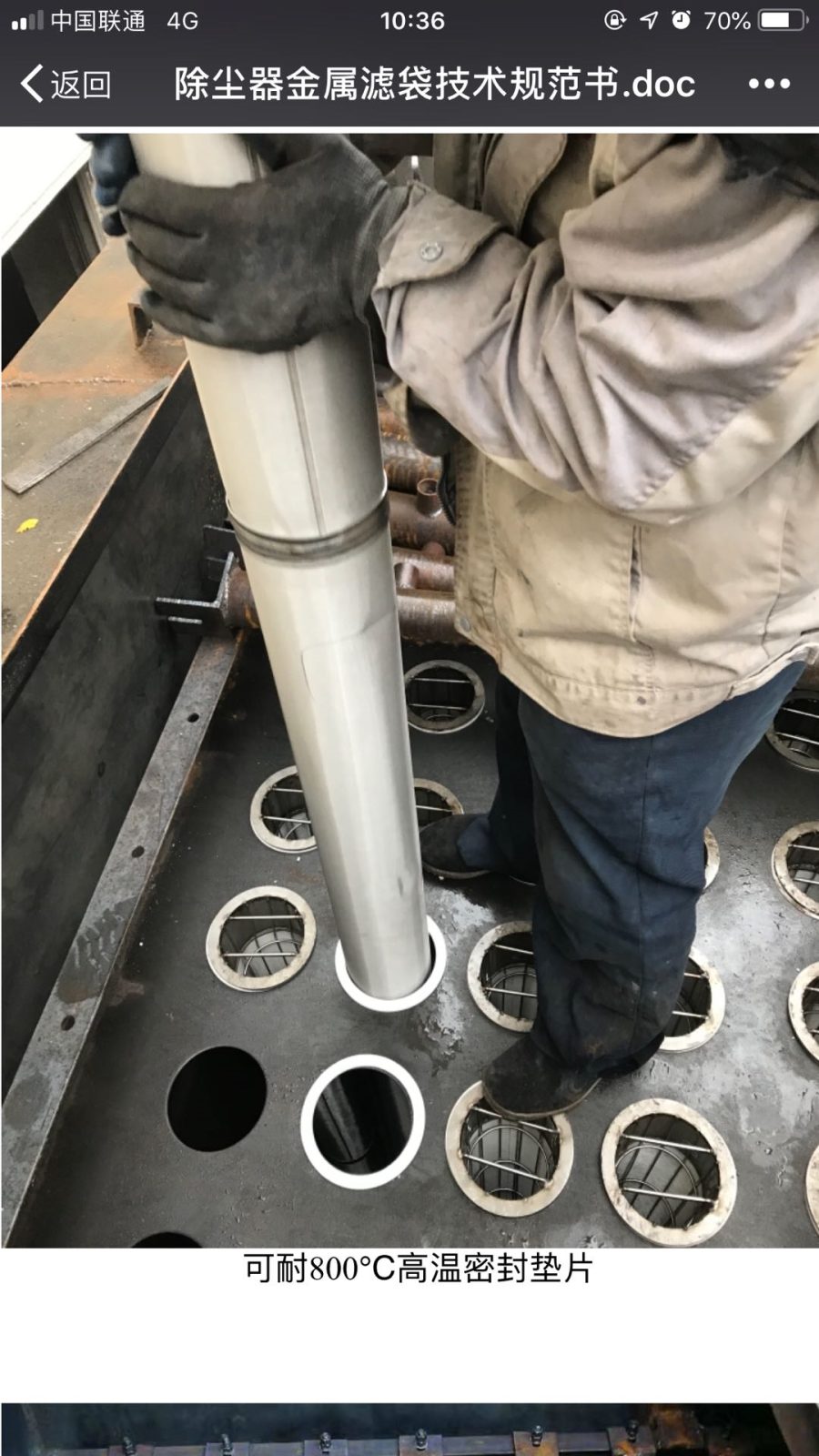
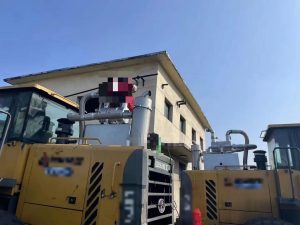
AIFILTECH heavy-duty vehicle purifier installation

Sizing & selection Q&A

How is the unit sized to my engine?

Three inputs settle it: rated power or displacement, exhaust pipe diameter, and duty cycle (continuous or intermittent). No guesswork on the model number.

Is the efficiency figure measured or nominal?

The figure comes from a standard-condition test, not from any duty cycle. Load factor, fuel sulfur and backpressure all move the measured number.

How often does it need servicing?

There is no fixed interval; watch backpressure and smoke colour. Idle-heavy duty and poor fuel bring it on sooner. A wash takes a minute.

Any chassis modification needed?

No cutting and no chassis work. It clamps at the original silencer location and releases in about 30 seconds for transfer or inspection.

Which limit does it target?

It is built to the in-use limit of the target market, not to another country’s standard. A common path: fit one unit, re-test, then scale.

Applications

Diesel generator sets Construction machinery Heavy-duty trucks Marine auxiliary engines Mining equipment Engine test benches Emergency power trucks Tunnel construction Airports Port terminals Construction sites Municipal roads
Need the full technical data? Download the PDF datasheet for complete technical data, key figures and selection guidance.
Download Datasheet

All data above are obtained under specific test conditions; the actual solution must be engineered to site conditions. AIFILTECH provides custom design and sizing based on actual gas volume, temperature, dust characteristics and emission limits.