Inside a low-emission zone, an aging diesel machine usually has one future: leave. A county-level city in Hunan is proposing a second path. On November 2, Jinshi released a draft notice designating a zone that bans high-emission non-road machinery — and wrote retrofit directly into the ban clause.
Comments are open until November 6. What makes the document notable is not the size of the zone, but the door it leaves open.
What counts as high-emission
The draft draws three lines: machines at China-II emission stage or older (including X-coded machines whose standard cannot be verified); machines whose exhaust smoke opacity exceeds the Class III limits of GB 36886-2018; and machines below China-III standards or visibly emitting black smoke. Hit any one, and a machine is classified high-emission.
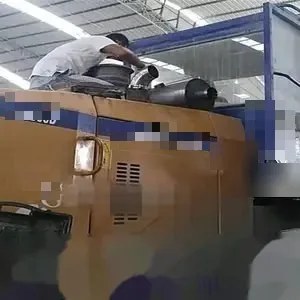
The equipment list reads like a worksite inventory: loaders, dozers, excavators, piling rigs, shovels, rollers, forklifts, rotary drilling rigs, concrete pumps, air compressors — and diesel generator sets.
The clause that matters
The third control requirement is the core of the document. Where a non-compliant machine genuinely must be used, the draft allows it to keep working inside the zone after emission retrofit, once testing by a qualified third-party body confirms it no longer falls into the high-emission categories.
In other words, retirement and retrofit are not slogans but two written paths: retrofit first, then let accredited testing decide. All in-use machines must also complete code registration and display environmental identification, with approved emergency operations exempt.
Where the zone sits
The zone covers five sub-districts including the high-tech zone, four communities of Xinzhou town, the full Jinshi Prison area and the city’s port operation area, with boundaries subject to dynamic adjustment.
Why it is worth watching
Low-emission zones have spread across China in recent years, and most documents follow a ban-and-replace logic. Jinshi’s draft treats retrofit as an option equal to replacement — an acknowledgment that a fleet does not always have to buy new to stay compliant. How the final version lands, and how testing will be organized, is worth tracking after the comment period closes on November 6.
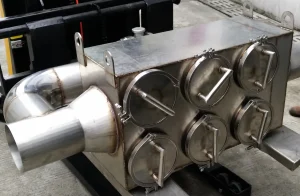
For machine owners, expectations should anchor to the test criteria. An aftermarket purifier for non-road machinery targets the most direct failure items — visible black smoke and the GB 36886 opacity limits — while diesel generator sets can be fitted with a dry type generator black smoke purifier. Whether a retrofitted machine keeps its zone access is decided, in the end, by the testing conclusion of a qualified third-party body.