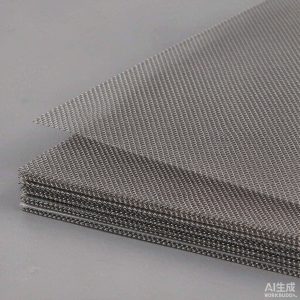
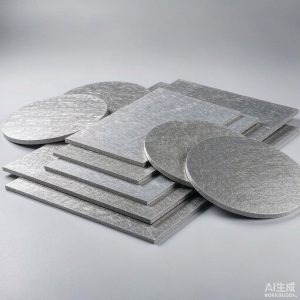
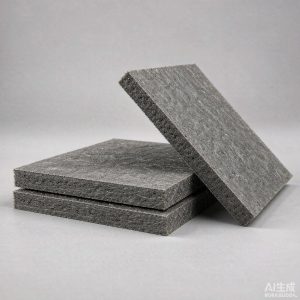
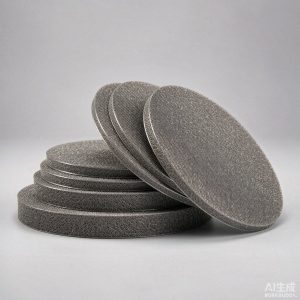
AIFILTECH Nickel Felt - Sintered Nickel Fiber Felt

孔隙率 50%~80%
镍纯度 ≥99.5%
应用 AEM扩散层

Product Introduction

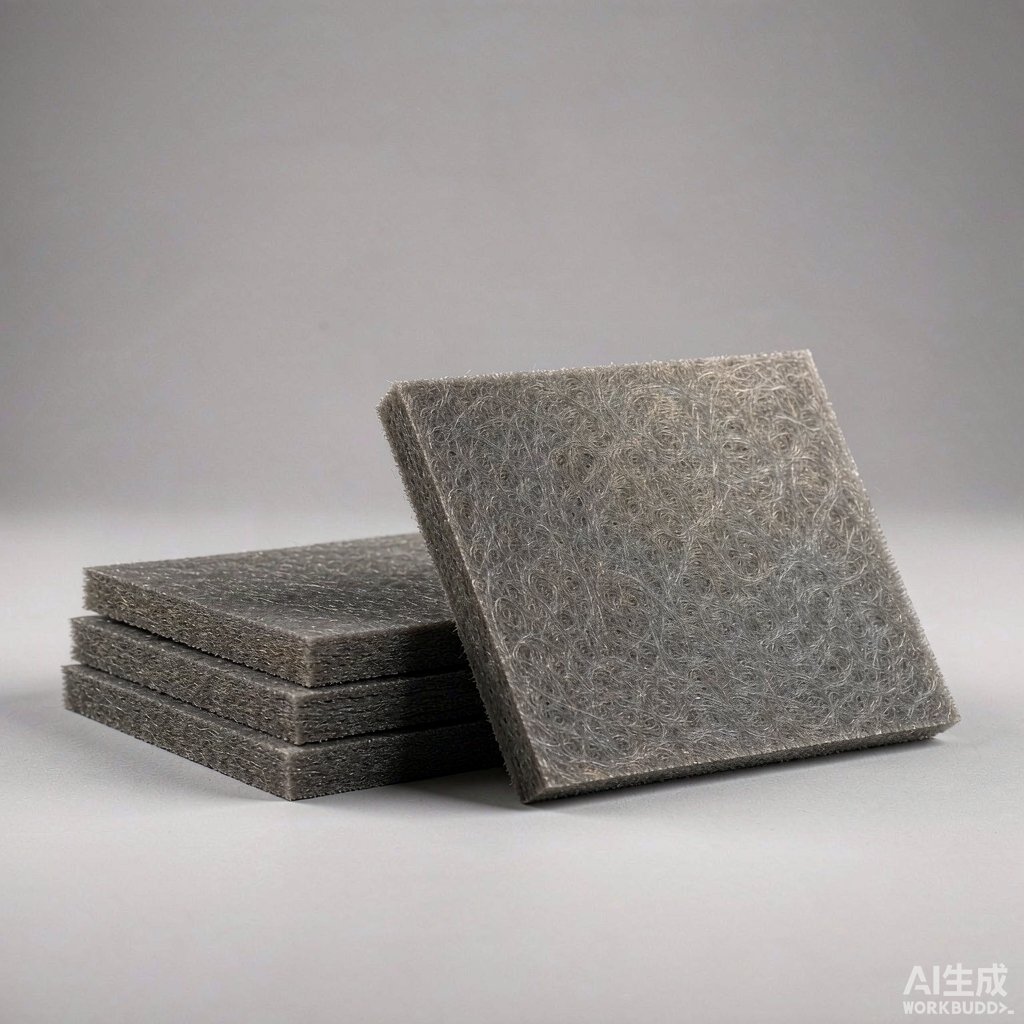
Nickel felt is sintered from laid nickel fibers - conductive, magnetic, alkali-resistant and highly porous for alkaline electrolyzer and fuel cell electrodes, EMI shielding and alkaline filtration. Thickness and basis weight customizable.

Detailed Overview

01 Product Overview

Fine nickel fibers are randomly laid and sintered, bonding at fiber crossings. Pure nickel is highly stable in alkaline media; the felt conducts electricity well and is also magnetic. The 3D high-porosity structure allows electrolyte penetration and bubble escape, ideal as electrode skeleton for alkaline hydrogen production and alkaline fuel cells.

02 Performance & Mechanism

Nickel fiber felt is produced from ≥99.5% high-purity nickel fiber by non-woven laying and high-temperature sintering, with adjustable porosity of 50-80%. Large specific surface area and uniform pore distribution make it an ideal diffusion-layer material for AEM electrolyzers: the 3D interconnected pores ensure sufficient electrolyte wetting and fast gas bubble release, while the continuous metallic network provides a low-resistance electron path for efficient electrochemical reaction. Also used for alkaline battery electrodes, catalyst carriers and magnetic-material filtration.

03 Advantages

  • Alkali-resistant for long service; 2. Conductive and magnetic - electrode and shielding uses; 3. High porosity for electrolyte flow and gas release; 4. Full range of basis weight and thickness; 5. Blankable, windable and multi-layer laminatable.

04 Applications

For alkaline water electrolysis electrodes, alkaline fuel cell GDL, alkaline filtration, EMI shielding and heating element carriers. Sheets, discs and custom shapes available.

Applications

Alkaline electrodes Alkaline filtration EMI shielding Custom

All data above are obtained under specific test conditions; the actual solution must be engineered to site conditions. AIFILTECH provides custom design and sizing based on actual gas volume, temperature, dust characteristics and emission limits.